Key Takeaways
- Cartilage damage does not always cause severe pain, but it can significantly affect movement and joint function.
- Some people notice stiffness, locking, or reduced mobility before they experience discomfort.
- The location and extent of cartilage wear can influence movement more than pain intensity.
- Early assessment and appropriate cartilage damage treatment may help support joint function and daily activities.
When people think about joint problems, they often expect pain to be the main symptom. However, some cartilage disorders can create a different experience. A person may find it difficult to bend the knee, climb stairs, squat, or even walk smoothly while experiencing only mild discomfort.
This can feel confusing. Many people wonder if there isn’t much pain, why does movement become so difficult? Understanding the role of cartilage can help explain this.
What Exactly Does Cartilage Do In Our Joints?
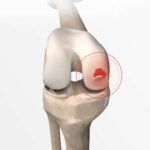
Cartilage is a smooth and flexible tissue that covers the ends of bones inside a joint. It acts like a cushion and helps bones move against one another with less friction. Healthy cartilage helps with,
- Smooth movement of joints
- Shock absorption during walking or running
- Supporting weight-bearing activities
- Maintaining stability within the joint
When cartilage becomes damaged or wears down, these functions may change.
Why Can Movement Be More Affected Than Pain?
Pain and movement are not always closely linked. Several factors may explain why mobility changes happen before severe pain appears.
The Cartilage Itself Has Limited Nerve Supply. Cartilage contains very few nerve endings. This means,
- Damage may not immediately send strong pain signals
- Joint movement may become altered before noticeable pain develops
- Symptoms may appear gradually over time
Instead of pain, people may experience,
- Joint stiffness
- Reduced flexibility
- Clicking sensations
- Locking or catching of the joint
Can The Location Of Damage Make A Difference?
Yes. The location of cartilage changes can influence how a joint moves. For example,
- Cartilage wear behind the kneecap may affect stair climbing
- Damage within the knee joint can create catching sensations
- Hip cartilage changes may limit range of movement during walking
Even relatively small areas of damage may affect how smoothly a joint functions.
Why Does The Body Change The Way It Moves?
When a joint does not move normally, the body often adapts automatically. Possible responses include,
- Shifting weight to another side
- Walking differently
- Reducing certain movements
- Tightening surrounding muscles for protection
Over time, these changes can sometimes create,
- Muscle weakness
- Reduced balance
- Joint stiffness
- Increased strain on nearby structures
This is why movement difficulties can sometimes become more noticeable than pain itself.
How Can Cartilage Damage Treatment Help?
The suitable approach depends on factors such as symptoms, activity levels, and the condition of the joint.
Cartilage damage treatment may involve,
- Activity modifications
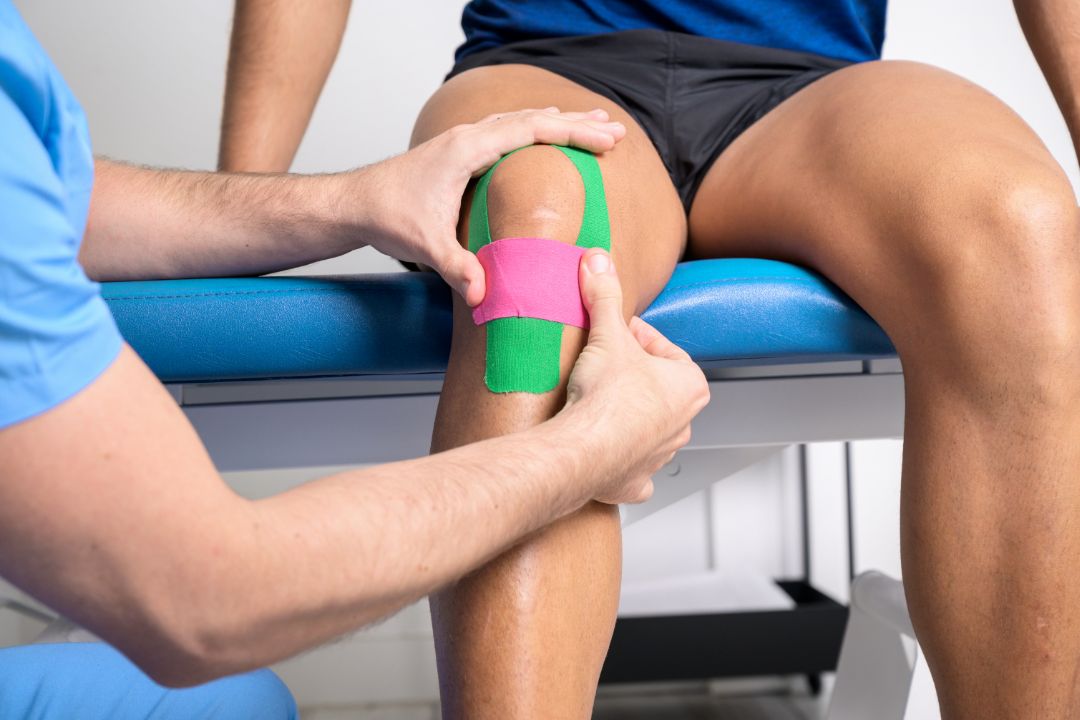
- Physiotherapy to improve strength and mobility
- Medication where appropriate
- Supportive exercises
- Surgical options in selected cases
The aim of cartilage damage treatment is often to support joint function, improve movement, and help individuals manage daily activities. Early assessment can also help identify factors contributing to symptoms.
Frequently Asked Questions
1. Can I have cartilage damage without severe pain?
Yes. Because cartilage has a limited nerve supply, some people experience movement restrictions or stiffness before significant pain develops.
2. Does cartilage damage always get worse?
Not necessarily. Progression can vary between individuals depending on factors such as activity level, age, overall joint health, and management strategies.
3. Which joints are commonly affected?
Cartilage changes can occur in several joints, including knees, hips, shoulders and ankles.
4. When should I seek medical advice?
Consider an assessment if you notice persistent stiffness, reduced range of movement, locking sensations and difficulty with everyday activities.
Looking For Guidance On Joint Concerns In Singapore?
If changes in movement, stiffness, or joint function are affecting your daily activities, seeking an assessment may help you better understand the possible cause and available management options. At Liberty Orthopaedic Clinic, Dr Lee Eu Jin and the team provide evaluations for musculoskeletal conditions and discuss suitable approaches based on individual needs.
Consider scheduling a consultation to better understand your symptoms and explore appropriate care options for your joint health.