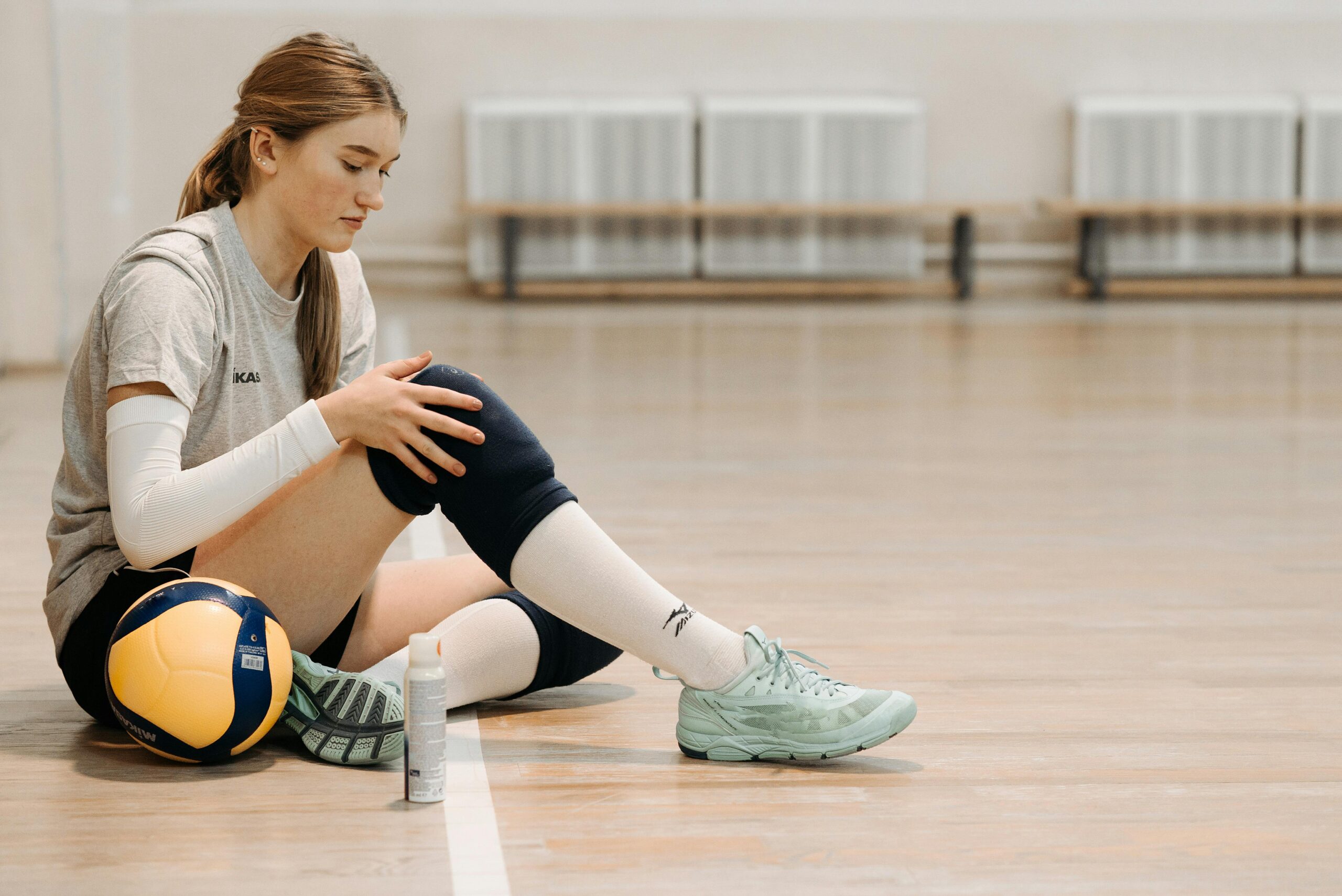
After an ACL tear, it’s common to feel torn between two paths, committing to months of physiotherapy or considering surgery straight away. Some people worry about rushing into an operation, while others are concerned about long-term knee stability. The reality is that both options have a role, depending on how your knee functions and what you need it to do.
What exactly does the ACL do in the knee?
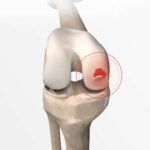
The anterior cruciate ligament (ACL) plays a key role in knee stability. It helps control forward movement of the shin bone and rotational movements during activities such as turning, pivoting, and sudden stops.
When the ACL is torn, the knee may feel unstable, particularly during sports or uneven ground walking. Some people describe a sensation of “giving way,” while others mainly notice swelling or difficulty trusting the knee.
Can an ACL tear heal on its own without surgery?
Unlike muscles, the ACL has limited ability to heal once fully torn. However, this does not automatically mean surgery is required for everyone.
Some individuals can function well without an intact ACL by strengthening surrounding muscles and modifying activities. This is where structured physiotherapy plays an important role.
Key points:
- A completely torn ACL does not usually reattach itself
- Knee function can sometimes be restored through rehabilitation
- Stability depends on muscle strength, movement control, and activity demands
When can physiotherapy alone be enough for an ACL tear?
Non-surgical ACL treatment may be appropriate for selected individuals, particularly when knee stability can be regained through rehabilitation.
Physiotherapy-led management may be considered if:
- The knee feels stable during daily activities
- Sports involving pivoting or cutting are not a priority
- There are no repeated episodes of the knee “giving way”
- Associated injuries (e.g. meniscus tears) are limited
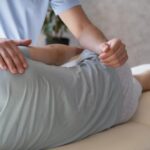
Physiotherapy focuses on:
- Strengthening the quadriceps and hamstrings
- Improving balance and neuromuscular control
- Training safe movement patterns
- Gradual return to daily function
For some patients, this approach allows a satisfactory quality of life without surgery.
Who may struggle without ACL surgery?
While physiotherapy is a valid first-line option for some, it may not provide enough stability for others.
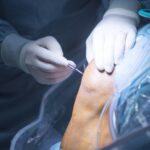
Surgery may be discussed when:
- The knee remains unstable despite rehabilitation
- There are repeated episodes of giving way
- The person wishes to return to pivoting sports (e.g. football, basketball)
- There are additional injuries such as meniscus or cartilage damage
- Knee instability affects work or safety
In these situations, continuing without surgery may increase the risk of secondary knee damage over time.
Does delaying surgery make outcomes worse?
Delaying surgery does not automatically lead to poorer outcomes. Many patients undergo a trial of physiotherapy first before deciding.
However, ongoing instability and repeated giving-way episodes can place stress on other knee structures. This is why regular review and reassessment are important when choosing non-surgical ACL treatment.
How is the decision between physiotherapy and surgery made?
There is no one-size-fits-all answer. The decision is based on:
- Age and activity level
- Sporting and work demands
- Degree of knee instability
- Presence of associated injuries
- Response to rehabilitation
A careful clinical assessment helps guide whether physiotherapy alone is reasonable or whether surgical reconstruction should be discussed.
Frequently Asked Questions (FAQs)
- Can a partial ACL tear heal with physiotherapy?
Partial tears may respond better to rehabilitation, depending on stability and symptoms. Imaging and clinical assessment help guide management. - How long should I try physiotherapy before deciding on surgery?
This varies, but a structured rehabilitation period of several months is often recommended before reassessment. - Is ACL surgery urgent?
ACL surgery is usually elective. Immediate surgery is not required unless there are specific associated injuries. - Can I return to sports without ACL surgery?
Some individuals can return to low-impact or straight-line activities. Pivoting sports may be more challenging without reconstruction. - Does everyone with an ACL tear eventually need surgery?
No. Some people function well long-term with non-surgical management, while others benefit from surgery.
A Thoughtful Approach to ACL Care at Liberty Orthopaedic Clinic
At Liberty Orthopaedic Clinic, management of ACL injuries focuses on understanding how your knee functions in real life, not just what appears on a scan.
Consultations with Dr Lee Eu Jin, Consultant Orthopaedic Surgeon, involve discussing both physiotherapy-led rehabilitation and surgical options in a balanced, patient-centred manner. The goal is to help you make a decision aligned with your activity goals, symptoms, and long-term knee health.
Not Sure Which Path Is Right for Your ACL Injury?
If you have been diagnosed with an ACL tear and are unsure whether physiotherapy alone is sufficient, or whether surgery should be considered, a proper assessment can help clarify your options.
Book a consultation at Liberty Orthopaedic Clinic to discuss ACL rehabilitation, knee stability, and personalised treatment planning.