
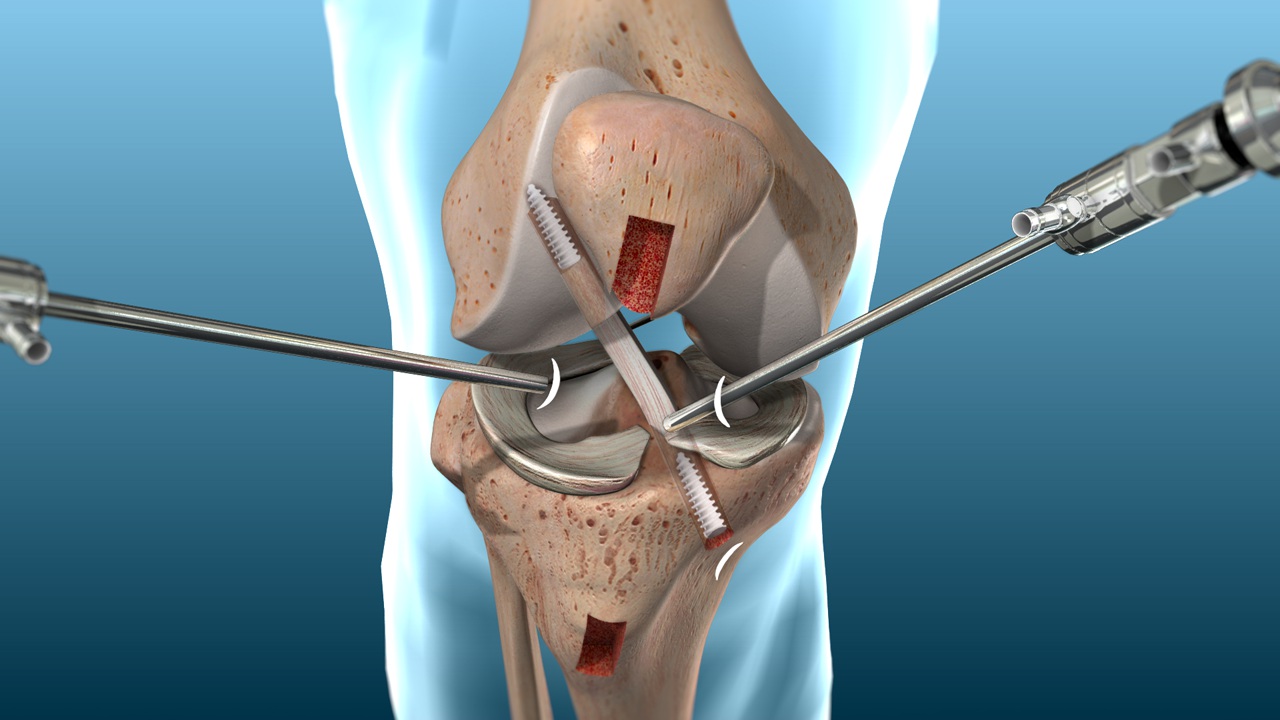
The anterior cruciate ligament, or ACL, is one of the main stabilising ligaments inside the knee. It connects the thigh bone to the shin bone and helps control forward movement, rotation, and sudden changes in direction. When the ACL is completely torn or the knee remains unstable, especially during sports, pivoting, or higher-demand activities, ACL reconstruction surgery may be recommended to restore knee stability.
ACL reconstruction surgery in Singapore involves replacing the torn ACL with a graft to help the knee regain support and function. This treatment is usually considered for patients with complete ACL tears, repeated knee giving way, or associated injuries such as meniscus or cartilage damage. Recovery involves a structured rehabilitation programme to rebuild strength, movement, balance, and confidence before returning to daily activities or sports.
Key Pointers:
- Understand what the ACL does and why it’s important for knee stability
- Learn when ACL reconstruction is recommended
- Know what happens during the procedure and what recovery involves
- Find out how physiotherapy supports long-term knee function
What Is the ACL and Why Does It Matter?
When Is ACL Reconstruction Surgery Recommended?
- You experience knee instability or frequent “giving way”
- You want to return to sports or physically demanding activities
- You have a combined injury involving other knee ligaments or cartilage
- Conservative treatments like physiotherapy haven’t restored stability
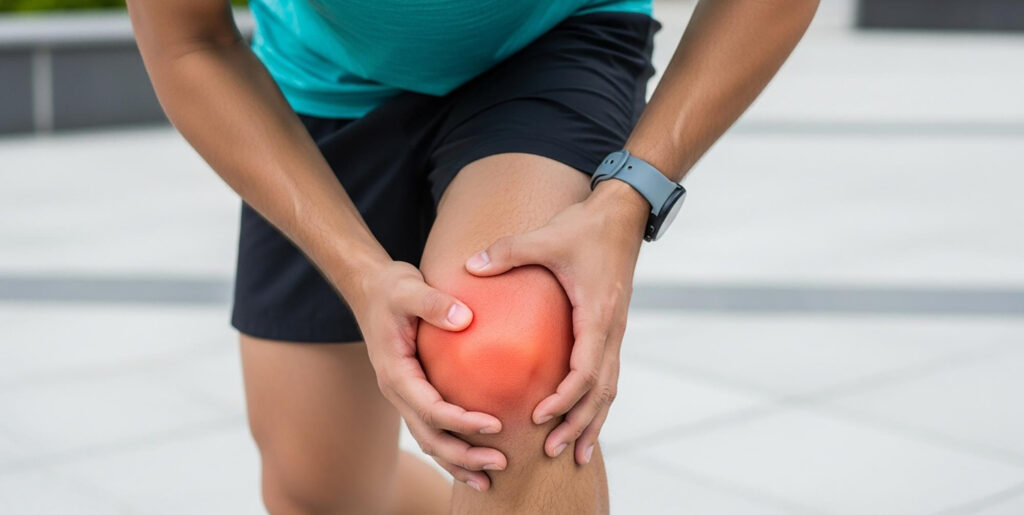
How Does ACL Reconstruction Surgery Work?
What to Expect After ACL Reconstruction Surgery?
- First few weeks: Focus on reducing swelling, regaining motion, and walking with support.
- First 3 months: Begin strengthening exercises with guidance from a physiotherapist.
- 3–6 months: Progress to advanced exercises for balance and coordination.
- 6–9 months: Gradual return to sport-specific training once strength and stability are restored.