If you have been told you need meniscus surgery, one of the first questions that often comes up is about recovery time. Many patients hear that arthroscopic (keyhole) surgery means faster recovery, but what does that actually mean in day-to-day terms?
Understanding how arthroscopic meniscus surgery differs from traditional open knee surgery, and what recovery realistically looks like for each, can help you plan better and set appropriate expectations.
What is the meniscus, and why does it sometimes need surgery?
The meniscus is a crescent-shaped piece of cartilage in the knee that helps absorb shock and stabilise movement. Tears can occur due to sports injuries, twisting movements, or age-related wear.
Surgery may be considered when:
- Knee pain or swelling persists despite conservative treatment
- The knee locks, catches, or feels unstable
- A tear interferes with daily activities or sports
What is arthroscopic meniscus surgery?
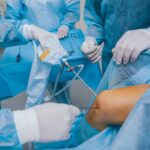
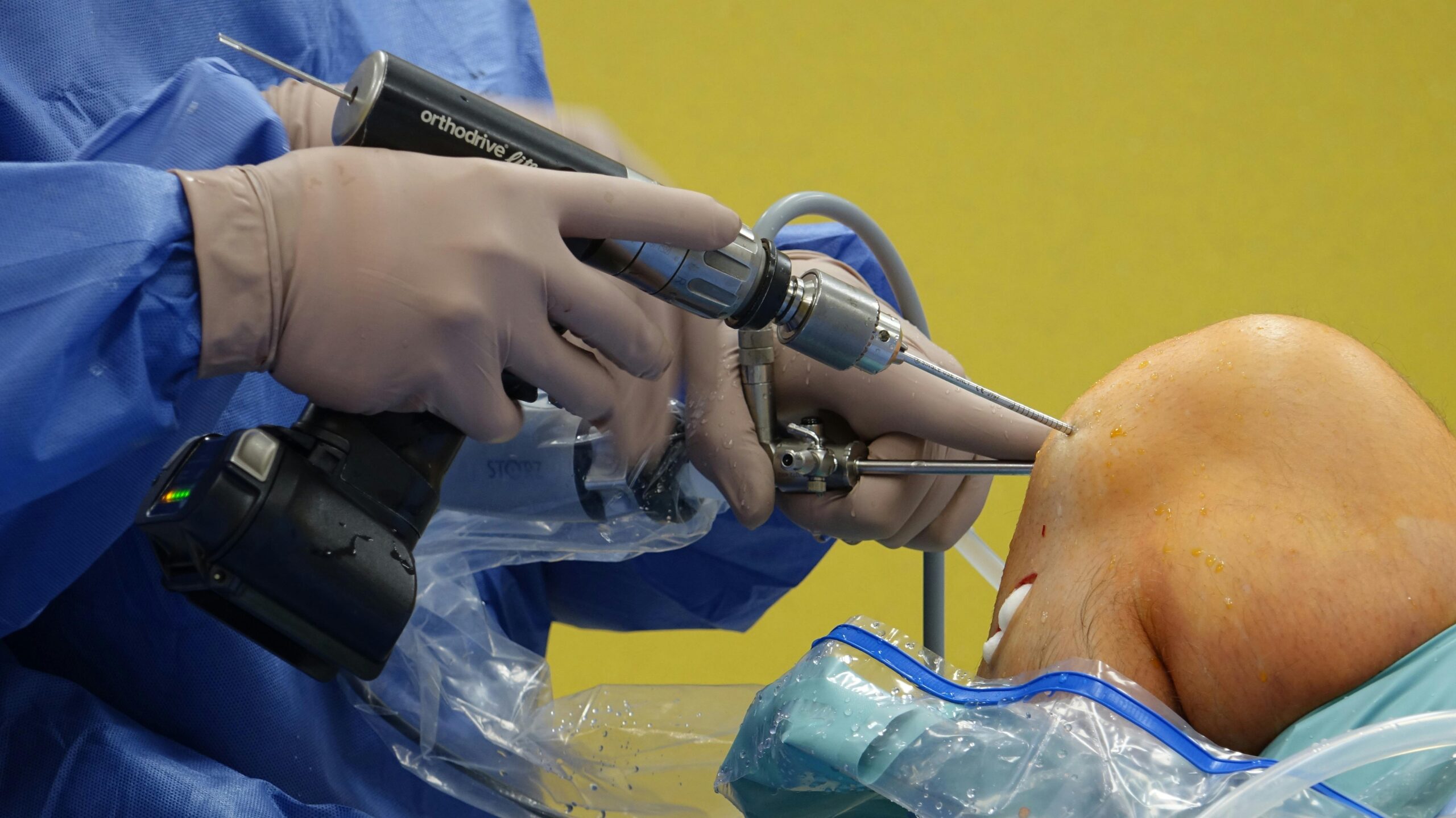
Arthroscopic meniscus surgery is a minimally invasive procedure performed through small incisions using a camera and specialised instruments.
Depending on the tear, the surgeon may:
- Repair the meniscus by suturing the torn tissue
- Remove the damaged portion (partial meniscectomy)
Key points:
- Small incisions rather than a large cut
- Less disruption to surrounding tissues
- Commonly used for most meniscus surgeries today
How is traditional (open) knee surgery different?
Open knee surgery involves a larger incision to directly access the knee joint. While still appropriate in selected or complex cases, it is less commonly used for isolated meniscus tears.
Differences:
- Larger surgical incision
- Greater soft tissue disruption
- Longer hospital stay in many cases
- Slower early-stage recovery for most patients
Does arthroscopic meniscus surgery really lead to faster recovery?
In general, arthroscopic surgery is associated with a shorter early recovery period compared to open knee surgery. However, “faster recovery” does not mean instant return to full activity.
What faster recovery usually means:
- Less post-operative pain and swelling
- Earlier ability to walk with support
- Quicker return to desk-based work
- Smaller scars
What it does NOT guarantee:
- Immediate return to sports
- No rehabilitation
- Identical recovery for all patients
Recovery speed also depends on whether the meniscus is repaired or partially removed.
How long is the recovery after arthroscopic meniscus surgery?
Recovery timelines vary, but general patterns include:
After partial meniscectomy:
- Walking with minimal support within days
- Return to daily activities in a few weeks
- Physiotherapy to restore strength and movement
After meniscus repair:
- Longer protection phase to allow healing
- Use of braces or movement restrictions
- Gradual return to activity over several months
Your surgeon and physiotherapist will tailor rehabilitation based on the procedure and your knee stability.
Is physiotherapy still needed after arthroscopic surgery?
Yes. Even though arthroscopic surgery is minimally invasive, rehabilitation remains essential.
Physiotherapy focuses on:
- Restoring knee range of motion
- Strengthening surrounding muscles
- Improving balance and movement control
- Reducing the risk of re-injury
Skipping rehabilitation may delay recovery or affect long-term knee function.
When might open knee surgery still be necessary?
Open knee surgery may be considered when:
- The tear is complex or involves multiple structures
- There are associated injuries requiring direct access
- Revision surgery is needed
In such cases, the priority is appropriate treatment rather than speed of recovery alone.
Frequently Asked Questions (FAQs)
- Is arthroscopic meniscus surgery always better than open surgery?
Not always. Arthroscopy is suitable for many cases, but the choice depends on tear type and overall knee condition. - How soon can I walk after arthroscopic meniscus surgery?
Many patients can walk with support shortly after surgery, but this varies based on the procedure performed. - Does faster recovery mean less pain?
Arthroscopic surgery often causes less early pain, but discomfort and swelling are still expected during healing. - Can I return to sports quickly after arthroscopic surgery?
Return to sports depends on healing, rehabilitation progress, and whether the meniscus was repaired or removed. - Will I need physiotherapy even if recovery feels smooth?
Yes. Physiotherapy helps restore strength and reduce the risk of future knee problems.
Meniscus Surgery Care at Liberty Orthopaedic Clinic
At Liberty Orthopaedic Clinic, meniscus injuries are managed with a focus on both effective treatment and realistic recovery planning.
Consultations with Dr Lee Eu Jin, Consultant Orthopaedic Surgeon, include a discussion of surgical approach, rehabilitation needs, and how recovery may affect your work, sports, and daily life, without making assumptions or guarantees.
Planning Your Meniscus Surgery Recovery?
If you are considering meniscus surgery and want to understand what recovery may look like for your specific knee condition, a proper assessment can help clarify your options.
Book a consultation at Liberty Orthopaedic Clinic to discuss meniscus surgery approaches, recovery timelines, and rehabilitation planning.