
A fracture, commonly known as a broken bone, may sometimes seem “minor”, especially if pain is tolerable or swelling improves after a few days. However, not all fractures heal properly on their own.
When a fracture is left untreated or heals in the wrong position, it can lead to long-term pain, deformity, reduced mobility, and joint problems. Early assessment by an orthopaedic doctor in Singapore can help reduce these risks and support proper healing.
At Liberty Orthopaedic Clinic, Dr Lee Eu Jin, Consultant Orthopaedic Surgeon and hip & knee specialist, provides fracture assessment and treatment tailored to the type and severity of injury.
Can a Fracture Heal on Its Own Without Treatment?
Some simple, non-displaced fractures may heal with immobilisation (e.g., casting or splinting). However, not all fractures are stable.
If a fracture:
- Is displaced (bone ends are misaligned)
- Involves a joint
- Affects weight-bearing bones (hip, femur, tibia)
- Is associated with significant swelling or nerve symptoms
Medical evaluation is important.
Without appropriate alignment and stabilisation, the bone may heal in an incorrect position, leading to functional limitations.
Key Pointers:
- Not all fractures are obvious on initial examination.
- Pain improvement does not always mean proper healing.
- X-rays are usually required to assess alignment and stability.
- Early orthopaedic review helps prevent long-term complications.
What Is Malunion (Improper Healing)?
Malunion occurs when a fracture heals in the wrong alignment.
This may result in:
- Visible deformity
- Limb shortening
- Persistent pain
- Abnormal joint mechanics
- Difficulty walking or using the affected limb
For example:
- A poorly aligned wrist fracture may affect grip strength.
- A misaligned ankle fracture can increase the risk of early arthritis.
- A hip fracture that heals improperly can impair mobility and balance.
Treatment for malunion may require corrective surgery, especially if symptoms are significant.
What Is Nonunion (Failure to Heal)?
Nonunion refers to a fracture that does not heal within the expected timeframe.
This may occur due to:
- Poor blood supply
- Smoking
- Diabetes
- Infection
- Severe displacement
- Inadequate immobilisation
Signs of nonunion may include:
- Persistent pain months after injury
- Instability at the fracture site
- Ongoing swelling
- No visible healing on repeat X-rays
Management may involve:
- Surgical fixation (plates, screws, rods)
- Bone grafting
- Addressing underlying risk factors
Can an Untreated Fracture Cause Long-Term Joint Damage?
Yes, especially if the fracture involves the joint surface.
When a fracture extends into a joint and heals unevenly:
- Cartilage may wear down prematurely
- Joint movement becomes restricted
- Arthritis may develop earlier than expected
Common examples include:
- Ankle fractures
- Knee fractures
- Wrist fractures
Proper alignment during healing reduces the risk of post-traumatic arthritis.
What Are the Risks of Ignoring a Fracture?
Leaving a fracture untreated may lead to:
- Chronic pain
- Reduced range of motion
- Weakness or instability
- Nerve irritation
- Limb deformity
- Early osteoarthritis
- Need for more complex surgery later
In some cases, delayed treatment can make future correction more challenging.
When Should You See an Orthopaedic Doctor in Singapore?
Seek medical evaluation if you experience:
- Persistent pain after a fall or injury
- Swelling that does not improve
- Deformity or abnormal limb position
- Difficulty bearing weight
- Numbness or tingling
- Limited joint movement
Even if symptoms appear mild, imaging may be required to confirm the diagnosis.
How Are Fractures Treated to Prevent Improper Healing?
Treatment depends on:
- Location of the fracture
- Degree of displacement
- Joint involvement
- Patient’s age and activity level
Options may include:
Non-surgical management
- Casting or splinting
- Functional bracing
- Activity modification
Surgical management
- Internal fixation (plates, screws, rods)
- Arthroscopic or minimally invasive techniques (in selected cases)
- Joint reconstruction if required
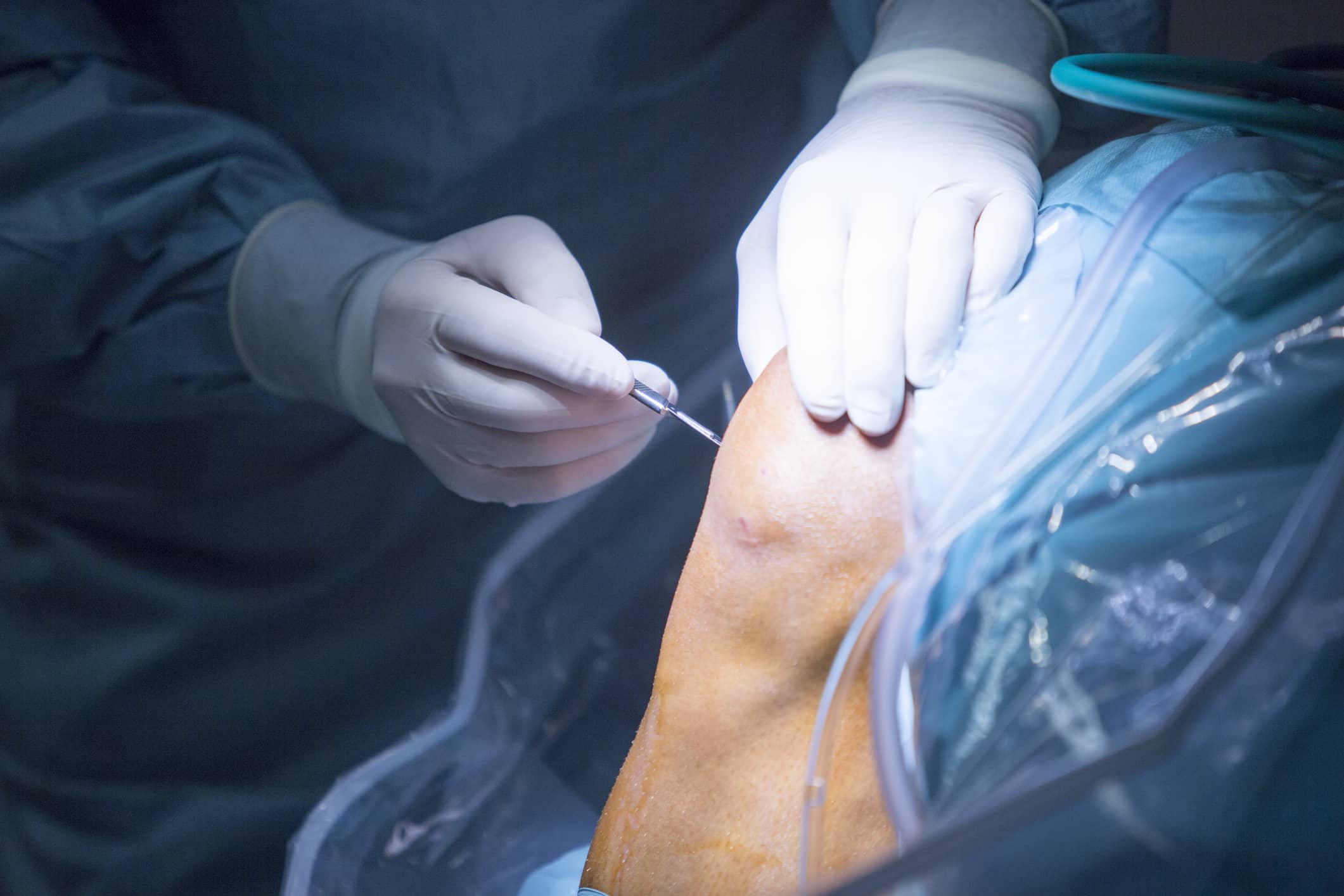
The goal is to restore alignment, stability, and function while supporting natural bone healing.
Frequently Asked Questions
1. How long does it take for a fracture to heal?
Most fractures take about 6–12 weeks to heal, depending on the bone involved and individual factors such as age and health.
2. Can I walk on a fracture if the pain is mild?
Pain severity does not always reflect the severity of injury. Weight-bearing on an unstable fracture may worsen displacement. Medical assessment is recommended.
3. What happens if I remove my cast too early?
Early removal of immobilisation can lead to improper alignment and delayed healing.
4. Can an old fracture that healed badly be corrected?
In selected cases, corrective surgery may be considered if symptoms significantly affect function.
5. Are fractures in older adults more serious?
Certain fractures, such as hip fractures, may significantly impact mobility and independence in older adults. Early treatment is important.
Do Not Ignore a Suspected Fracture, Early Assessment Matters
A fracture that heals properly supports long-term joint health and mobility. Delayed or inadequate treatment may increase the risk of chronic pain and functional limitations.
If you have sustained an injury and are unsure whether it requires treatment, a clinical evaluation can help clarify the diagnosis and guide appropriate management.
To schedule a consultation with Dr Lee Eu Jin, Consultant Orthopaedic Surgeon, contact Liberty Orthopaedic Clinic today.
Book an appointment to receive a proper assessment and personalised treatment plan.