Joint pain can be frustrating, especially when it limits activities you enjoy or affects your daily routine. For some individuals, the problem is not widespread arthritis, but a specific area of damaged cartilage within the joint.
Cartilage resurfacing surgery is a joint-preserving procedure designed to treat these localised cartilage defects. Instead of replacing the entire joint, the focus is on repairing or restoring the damaged surface to improve function and reduce discomfort.
At Liberty Orthopaedic Clinic, patients are carefully assessed to determine whether cartilage resurfacing is appropriate. Treatment recommendations are tailored based on the size and location of the cartilage injury, your activity level, and your long-term goals.
If you have been told you have a cartilage defect, or you continue to experience persistent knee or hip pain despite conservative treatment, knowing your options is important.
What Is Cartilage Resurfacing Surgery?
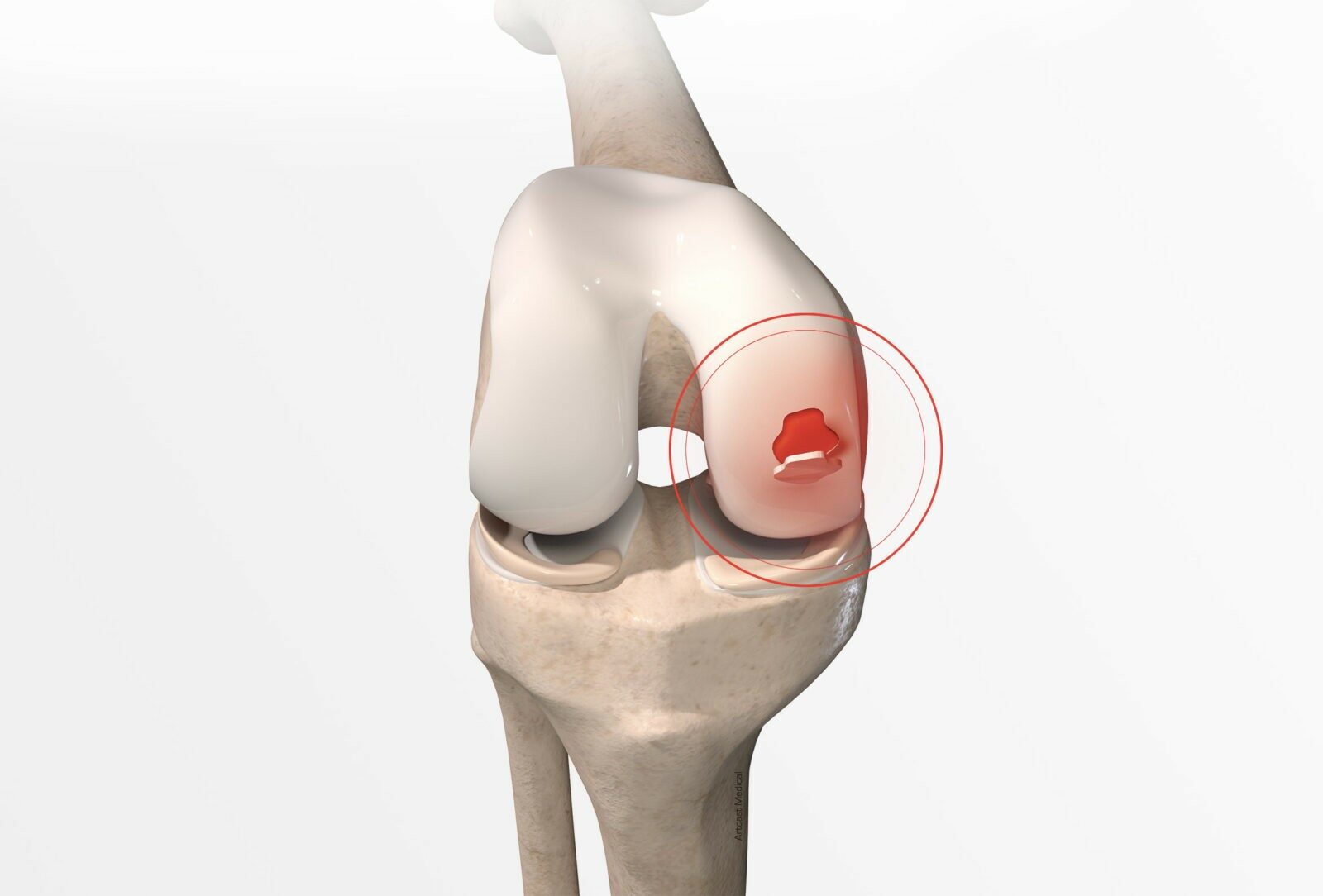
Cartilage resurfacing surgery is a joint-preserving procedure designed to treat focal cartilage damage, areas where the smooth cartilage lining a joint has worn away or been injured.
Healthy cartilage allows your joints to glide smoothly and painlessly. When it becomes damaged, you may experience:
- Persistent joint pain
- Swelling after activity
- Locking or catching sensations
- Reduced mobility
Cartilage resurfacing aims to repair or restore the damaged area, helping to relieve symptoms and improve joint function, particularly in the knee or hip, while delaying or avoiding joint replacement in suitable patients.
Cartilage resurfacing is considered carefully and only recommended when appropriate, based on the size, depth, and location of the cartilage defect.
Who May Benefit from Cartilage Resurfacing Surgery?
This procedure is typically considered for:
- Younger or active individuals with localised cartilage defects
- Patients with persistent joint pain despite physiotherapy and injections
- Those without advanced, widespread osteoarthritis
- Patients who wish to maintain their natural joint for as long as possible
It is not suitable for everyone. In cases of severe arthritis affecting the entire joint, joint replacement may be more appropriate.
A thorough assessment, including imaging such as MRI scans, helps determine whether cartilage resurfacing is a suitable option.
How Does Cartilage Resurfacing Surgery Work?
The exact technique depends on the type of cartilage injury. Common approaches include:
1. Microfracture Technique
Small holes are created in the underlying bone to stimulate the body’s healing response. This encourages the formation of new cartilage-like tissue.
2. Osteochondral Grafting
Healthy cartilage and bone are transferred from another part of the joint (or from a donor source) to replace the damaged area.
3. Autologous Chondrocyte Procedures
In selected cases, cartilage cells may be harvested, cultured, and re-implanted into the defect.
Most cartilage resurfacing procedures are performed using arthroscopic (keyhole) techniques, which involve small incisions and specialised instruments.
What Is Recovery Like After Cartilage Resurfacing?
Recovery varies depending on the size of the defect and the technique used.
In general:
- Weight-bearing may be restricted initially
- Physiotherapy is essential for optimal recovery
- Return to sports may take several months
- Gradual improvement in symptoms is expected
Cartilage healing takes time. Patients are guided through a structured rehabilitation programme to support joint recovery and protect the repair.
What Are the Potential Benefits?
When performed in appropriate patients, cartilage resurfacing may:
- Reduce joint pain
- Improve mobility
- Delay progression of arthritis
- Help maintain participation in sports or daily activities
Outcomes vary between individuals, and no surgical procedure can completely “restore” a joint to its original state. A detailed discussion helps align expectations before proceeding.
What Are the Risks?
As with any surgical procedure, risks may include:
- Infection
- Blood clots
- Stiffness
- Incomplete healing of the cartilage repair
- Persistence or recurrence of symptoms
Your orthopaedic surgeon will explain potential risks and how they are minimised during and after surgery.
Key Pointers
- Cartilage damage can cause pain, swelling, and reduced joint function
- Cartilage resurfacing targets localised defects, not advanced arthritis
- Techniques vary depending on defect size and depth
- Rehabilitation is critical to success
- Not all patients are suitable, careful assessment is required
Frequently Asked Questions
1. Can cartilage grow back on its own?
Cartilage has limited natural healing ability because it does not have a direct blood supply. Small defects may stabilise, but larger injuries often persist without intervention.
2. Is cartilage resurfacing the same as knee replacement?
No. Cartilage resurfacing preserves your natural joint and treats a specific damaged area. Knee replacement replaces the entire joint surface and is typically considered for advanced arthritis.
3. How long does the surgery take?
Procedure time varies depending on the technique used and the size of the defect. Your surgeon will provide details during consultation.
4. When can I return to sports?
Return to high-impact activities may take several months and depends on healing progress and physiotherapy compliance. A structured rehabilitation plan is essential.
5. Will I eventually need joint replacement?
Some patients may still require joint replacement later in life. Cartilage resurfacing aims to relieve symptoms and potentially delay the need for more extensive surgery.
Concerned About Persistent Joint Pain?
Book a Consultation Now
If you are experiencing ongoing knee or hip pain that has not improved with conservative treatment, it may be helpful to seek an assessment.
At Liberty Orthopaedic Clinic, Dr Lee Eu Jin, Consultant Orthopaedic Surgeon and hip & knee specialist, provides a comprehensive evaluation and discusses appropriate treatment options based on your condition and goals.
A personalised consultation allows for:
- Careful clinical assessment
- Imaging review
- Discussion of non-surgical and surgical options
- Clear explanation of expected recovery and risks
If you would like to explore whether cartilage resurfacing or another treatment is suitable for you, contact Liberty Orthopaedic Clinic to arrange an appointment.
Book a consultation today, and let’s start restoring your joint comfort and mobility.