
Key Pointers
- Cartilage is the smooth tissue that cushions joints and allows bones to move with minimal friction.
- Damage to cartilage may occur due to injury, sports activities, or gradual joint wear.
- Symptoms may include joint pain, swelling, stiffness, and locking sensations.
- Because cartilage has a limited blood supply, it does not heal easily on its own.
- Treatment options may include physiotherapy, medications, injections, or surgical procedures, depending on the severity of the injury.
What Is Cartilage and What Does It Do in a Joint?
Cartilage is a specialised connective tissue that covers the ends of bones inside a joint. It provides a smooth, low-friction surface that allows joints to move freely while also absorbing shock during activities such as walking, running, or jumping.
Healthy cartilage helps distribute pressure across the joint and protects the underlying bone.
When cartilage becomes damaged, the joint may no longer move smoothly. Over time, this may lead to symptoms such as pain, stiffness, swelling, or reduced joint mobility.
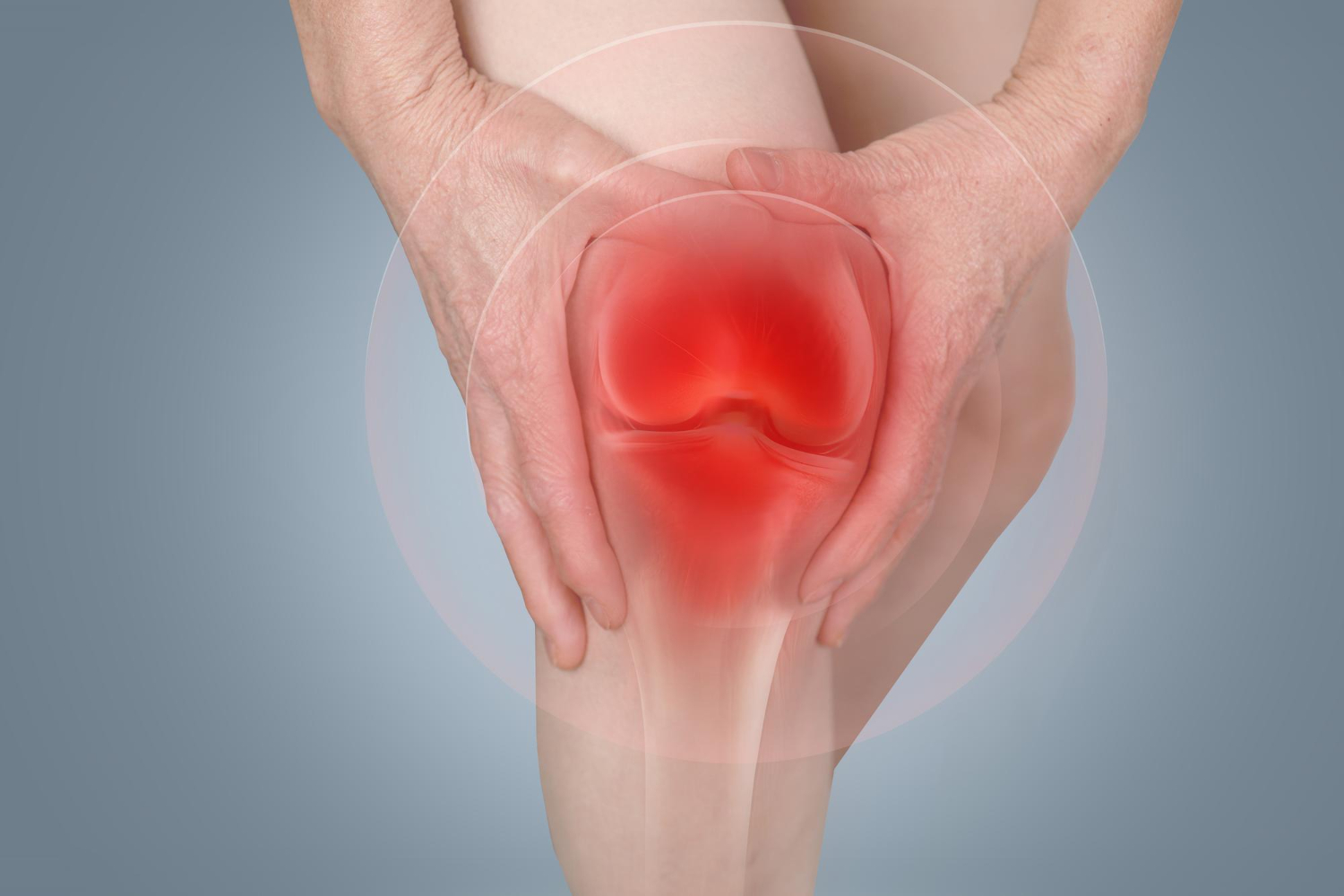
Cartilage injuries most commonly affect weight-bearing joints, particularly the knee and hip, but they can also occur in the ankle or shoulder.
Can Cartilage Grow Back Once It Is Damaged?
Cartilage has a limited ability to regenerate naturally.
Unlike many other tissues in the body, cartilage has very little blood supply, which means the healing process is slower and sometimes incomplete.
Small cartilage injuries may become less symptomatic with rest and rehabilitation. However, larger cartilage defects may require medical treatment to help restore joint function or reduce symptoms.
Early evaluation by an orthopaedic specialist can help determine the extent of damage and the most appropriate treatment options.
What Causes Cartilage Damage?
Cartilage damage can occur suddenly due to trauma or gradually due to wear and tear over time.
Common causes include:
Sports Injuries
- Twisting injuries of the knee
- Sudden pivoting movements during sports such as football or basketball
- High-impact activities
Degenerative Changes
- Age-related cartilage wear
- Early stages of osteoarthritis
Joint Instability
- Ligament injuries such as ACL tears
- Recurrent joint stress
Previous Joint Injuries
- Fractures involving the joint surface
- Meniscus injuries in the knee
What Are the Symptoms of Cartilage Injury?
Cartilage damage can cause a range of symptoms depending on the location and severity of injury.
Common symptoms include:
- Persistent joint pain during activity
- Swelling around the joint
- Stiffness or reduced range of motion
- Clicking, locking, or catching sensation in the joint
- Difficulty with weight-bearing activities such as climbing stairs or squatting
Symptoms may develop gradually or appear suddenly following an injury.
How Do Orthopaedic Doctors Diagnose Cartilage Injuries?
Diagnosing cartilage damage usually involves a combination of medical history, physical examination, and imaging tests.
Clinical Assessment
During a consultation, the orthopaedic specialist will assess:
- Joint pain location
- History of injury or sports activity
- Joint stability and range of motion
Imaging Tests
MRI Scan
MRI scans provide detailed images of cartilage and surrounding structures such as ligaments and tendons.
X-rays
X-rays help assess joint alignment and detect signs of degenerative joint disease.
Arthroscopy
In some cases, minimally invasive arthroscopic surgery may be used to directly visualise cartilage damage within the joint.
What Are the Treatment Options for Cartilage Damage?
Treatment depends on several factors, including the size of the cartilage defect, the joint involved, symptoms, and patient’s activity level.
Non-Surgical Treatments
For mild cartilage injuries, conservative management may be recommended.
These may include:
Physiotherapy
Strengthening muscles surrounding the joint can improve stability and reduce strain on damaged cartilage.
Activity modification
Avoiding activities that worsen symptoms may help protect the joint.
Medication
Anti-inflammatory medication may help relieve pain and swelling.
Injection therapies
Certain injections may be used in selected patients to help support joint function.
Surgical Treatments
Arthroscopic Cartilage Treatment
Arthroscopic procedures use small instruments inserted through tiny incisions to assess and treat cartilage damage.
Microfracture Surgery
This procedure creates small holes in the bone beneath the damaged cartilage to stimulate the formation of new cartilage-like tissue.
Cartilage Restoration Procedures
In selected cases, specialised procedures may be used to restore cartilage defects and improve joint function.
The choice of treatment depends on the patient’s condition, activity goals, and the extent of cartilage damage.
Who May Need Cartilage Treatment?
Cartilage treatment may be considered for individuals who experience:
- Persistent joint pain despite rest
- Sports-related knee or joint injuries
- Locking or catching sensations in the joint
- Early joint degeneration affects mobility
An orthopaedic evaluation can help determine whether conservative treatment or surgical management may be appropriate.
Why Is Early Treatment of Cartilage Damage Important?
Untreated cartilage injuries may gradually worsen over time.
Possible long-term effects include:
- Progressive joint degeneration
- Reduced joint mobility
- Development of osteoarthritis
Early diagnosis may help reduce the risk of further joint damage and allow appropriate treatment to be considered.
Common Questions About Cartilage Injuries
Can cartilage damage cause knee pain?
Yes. Cartilage damage in the knee can cause pain, swelling, and a catching or locking sensation, particularly during activities such as walking or climbing stairs.
Does cartilage damage always lead to arthritis?
Not always. However, untreated cartilage damage may increase the risk of developing osteoarthritis over time.
Can physiotherapy help cartilage injuries?
Physiotherapy may help strengthen the muscles surrounding the joint, improve stability, and reduce symptoms in certain cases.
Is surgery always needed for cartilage damage?
No. Many patients improve with non-surgical treatment such as physiotherapy and activity modification. Surgery is usually considered when symptoms persist or the cartilage defect is significant.
Which joints are most commonly affected by cartilage damage?
Cartilage injuries most commonly occur in weight-bearing joints, particularly the knee and hip, but they can also affect the ankle or shoulder.
When to See an Orthopaedic Specialist
Persistent joint pain, swelling, or reduced mobility may indicate cartilage damage or other joint conditions.
At Liberty Orthopaedic Clinic, patients are assessed through a detailed consultation, clinical examination, and imaging when necessary. Based on the findings, an appropriate treatment plan can be discussed.
If you are experiencing ongoing joint discomfort or limitations in movement, arranging an assessment with an orthopaedic specialist may help determine the underlying cause and available treatment options.