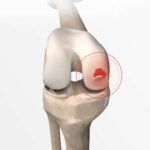
An ACL (anterior cruciate ligament) tear is one of the most common knee injuries, particularly among people who play sports or perform activities that involve sudden pivoting, jumping, or changes in direction.
When the ligament is significantly torn, ACL reconstruction surgery may be recommended to restore knee stability.
The short answer is that recovery usually occurs in stages and may take several months, depending on factors such as rehabilitation progress, physical activity goals, and overall knee health.
Key Pointers
- ACL reconstruction recovery typically occurs in phases over several months
- Physiotherapy plays a major role in regaining strength and stability
- Many people return to daily activities within a few weeks, with progressive rehabilitation
- Sports participation often requires longer recovery time
- Each patient’s recovery timeline may differ depending on injury severity and healing response
What Happens During ACL Reconstruction Surgery?
ACL reconstruction is a surgical procedure that aims to replace a torn anterior cruciate ligament in the knee. The surgeon typically reconstructs the ligament using a graft, which may come from:
- The patient’s own tendon (autograft), such as the hamstring or patellar tendon
- Donor tissue (allograft)
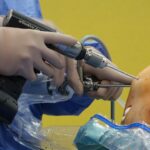
The procedure is often performed using arthroscopic (keyhole) techniques, which involve small incisions and a camera to guide surgical instruments inside the knee joint.
This approach may allow for less disruption to surrounding tissue and structured rehabilitation afterwards.
ACL reconstruction is one of the ligament procedures performed for knee injuries at Liberty Orthopaedic Clinic.
How Long Does It Take to Walk After ACL Reconstruction?
Many patients are able to stand and walk with support within a few days after surgery.
However, walking ability depends on factors such as:
- Pain and swelling levels
- Quadriceps muscle strength
- The type of graft used
- The progress of early physiotherapy
In the first few weeks, patients may be advised to:
- Use crutches or knee support temporarily
- Perform gentle range-of-motion exercises
- Avoid movements that place excessive stress on the knee
Walking without assistance may gradually improve within several weeks, depending on recovery progress.
What Does the Typical ACL Recovery Timeline Look Like?
Although recovery differs from person to person, ACL reconstruction rehabilitation usually follows a structured timeline.
First 2 Weeks After Surgery
Focus is placed on:
- Reducing swelling
- Managing pain
- Regaining basic knee movement
- Gentle physiotherapy exercises
Patients are usually encouraged to begin early rehabilitation under guidance.
Weeks 2 to 6
During this stage, physiotherapy may focus on:
- Improving knee range of motion
- Strengthening the quadriceps and hamstring muscles
- Gradually increasing walking stability
Many patients are able to resume light daily activities during this phase.
Months 2 to 4
Rehabilitation often becomes more intensive and may include:
- Strength training exercises
- Balance and coordination training
- Low-impact activities such as stationary cycling
The goal during this stage is to restore knee stability and muscle strength.
Months 4 to 6 and Beyond
Some patients may begin sport-specific rehabilitation exercises, depending on recovery progress and medical advice.
Return to sports may take longer, particularly for activities that involve pivoting, sudden stops, or jumping.
An orthopaedic surgeon and physiotherapist typically assess whether the knee has regained sufficient strength and stability before full sports participation.
What Factors Affect ACL Surgery Recovery Time?
Recovery timelines can vary depending on several factors.
Severity of the Original Injury
Associated injuries such as meniscus tears or cartilage damage may influence recovery duration.
Rehabilitation Commitment
Patients who follow structured physiotherapy programmes often recover function more effectively.
Muscle Strength
Strong quadriceps and hamstrings help stabilise the knee and support rehabilitation.
Activity Goals
Athletes returning to competitive sports may require longer rehabilitation periods.
Individual Healing Response
Each person heals differently depending on age, health status, and tissue recovery.
Why Is Physiotherapy Important After ACL Reconstruction?
Physiotherapy is a key part of ACL recovery.
Without rehabilitation, the knee may remain:
- Weak
- Stiff
- Unstable
A physiotherapy programme may include:
- Range-of-motion exercises
- Strength training
- Balance and neuromuscular training
- Gradual return-to-activity protocols
These steps help restore knee control and reduce the risk of re-injury.
When Should You See an Orthopaedic Doctor After an ACL Injury?
If you experience symptoms such as the following after a knee injury, medical assessment may be advisable:
- A popping sound during injury
- Knee instability when walking or pivoting
- Persistent swelling
- Difficulty bearing weight
- Limited knee movement
An orthopaedic doctor may perform:
- A physical examination
- Imaging tests such as MRI or X-rays
- Functional assessments to determine ligament damage
These evaluations help determine whether non-surgical management or ACL reconstruction may be appropriate.
Frequently Asked Questions
1. How long does it take to fully recover from ACL reconstruction surgery?
Recovery often takes several months, depending on rehabilitation progress and activity goals. Full return to high-impact sports may take longer.
2. Can I walk immediately after ACL surgery?
Many patients can walk with support shortly after surgery, but crutches or braces may be required temporarily while the knee regains strength.
3. When can I return to sports after ACL reconstruction?
Return to sports varies between individuals and may depend on muscle strength, knee stability, and medical clearance from the treating orthopaedic surgeon.
4. Is physiotherapy necessary after ACL surgery?
Yes. Physiotherapy is an important part of recovery and helps restore movement, strength, and knee stability.
5. What happens if an ACL tear is not treated?
Some patients may cope with a torn ACL through rehabilitation, but others may experience knee instability, repeated injuries, or cartilage damage over time.
A medical assessment can help determine the most suitable treatment approach.
Concerned About an ACL Injury? Here’s When to Seek Medical Advice
Persistent knee instability, swelling, or difficulty returning to normal activity after a knee injury may indicate ligament damage such as an ACL tear.
At Liberty Orthopaedic Clinic, patients with knee injuries may undergo clinical assessment and imaging to better understand the condition of the knee joint and discuss appropriate management options.
If you are experiencing knee pain, instability, or difficulty returning to sports, consider arranging a consultation with Dr Lee Eu Jin, Consultant Orthopaedic Surgeon with a focus on hip and knee conditions.
Schedule a consultation to discuss your symptoms and explore appropriate care options.