
Key Takeaways
- Bursitis symptoms often include joint pain, swelling, and restricted movement.
- It commonly affects the shoulder, elbow, hip, and knee.
- Symptoms may worsen with movement or pressure on the joint.
- Early medical evaluation helps prevent worsening discomfort and complications.
What is bursitis and why does it happen?
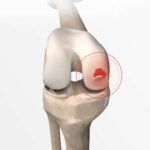
Bursitis is a condition where the bursa, a small fluid-filled sac that cushions your joints, becomes inflamed. These sacs help reduce friction between bones, muscles, and tendons.
When irritated due to repetitive movement, injury, or prolonged pressure, the bursa can swell, leading to discomfort and limited mobility.
While bursitis can affect anyone, it is more commonly seen in individuals who perform repetitive activities or maintain prolonged postures.
What are the most common bursitis symptoms?
Recognising bursitis symptoms early can make a significant difference in managing the condition effectively.
Some key symptoms include,
- Localised pain- Often felt around joints like the shoulder, hip, elbow, or knee, it may worsen during movement or pressure.
- Swelling- Visible or subtle swelling around the affected joint and the area may feel tender to touch.
- Stiffness and reduced movement- Difficulty moving the joint freely with a feeling of tightness or restriction
- Warmth or redness- The skin over the joint may feel warm and redness may be present in some cases
- Pain during rest or at night- Discomfort may persist even when the joint is not in use
These bursitis symptoms can vary from mild irritation to more persistent discomfort depending on the cause and severity.
How can you tell if your joint pain might be bursitis?
Not all joint pain is bursitis, but certain signs can help you identify the possibility,
- Pain is focused around a specific joint, rather than widespread
- Discomfort increases with movement or pressure
- Symptoms started after repetitive activity or minor injury
- The joint feels tender when pressed
If these patterns sound familiar, it may be worth seeking a medical assessment for clarity.
When should you see a specialist for bursitis symptoms?
While mild cases may settle with rest and care, certain situations require medical attention.
You should consider seeing a specialist if,
- Pain persists for more than a few days
- Swelling becomes more noticeable or severe
- You experience difficulty performing daily activities
- There is significant redness or warmth, which may indicate infection
- Symptoms keep returning or worsening over time
Seeking timely care ensures that the underlying cause is properly evaluated and managed appropriately.
How is bursitis usually managed?
Management depends on the severity and cause of the condition. A doctor may recommend,
- Rest and activity modification to reduce strain
- Cold or warm compresses to ease discomfort
- Medications to help manage pain and inflammation
- Physiotherapy to improve joint movement and strength
In some cases, further medical procedures may be considered as treatment plans are tailored to individual needs after proper evaluation, ensuring safe and appropriate care.
Frequently Asked Questions
Can bursitis symptoms go away on their own?
Yes, mild bursitis symptoms may improve with rest and avoiding activities that trigger discomfort. However, persistent symptoms should be evaluated.
Which joints are most commonly affected by bursitis?
Bursitis often affects the shoulder, elbow, hip, and knee, as these joints are frequently used and prone to pressure.
Is bursitis caused only by injury?
No, it can also develop due to repetitive movements, prolonged pressure, or underlying conditions.
Can bursitis symptoms become serious?
In some cases, especially if associated with infection or ongoing strain, symptoms may worsen and require medical attention.
Looking for clarity on bursitis symptoms?
If you are experiencing persistent joint discomfort or are unsure whether your symptoms may be related to bursitis, a proper medical evaluation can help you understand your condition better.
At Liberty Orthopaedic Clinic in Singapore, Dr Lee Eu Jin and his team provide careful assessment and personalised care for a range of orthopaedic concerns.
So, to learn more about your symptoms and possible causes and get a clear, medically guided approach to management, book a consultation with Liberty Orthopaedic Clinic today.