Key Pointers:
- Understand what cartilage does and why it’s important for healthy joints
- Learn why cartilage has a limited ability to heal on its own
- Explore the regenerative treatments used by orthopaedic specialists in Singapore
- Know when to seek medical advice for joint pain or injury
What Does Cartilage Do in Our Joints?
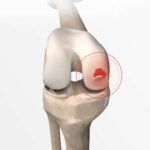
Cartilage is a smooth, rubber-like tissue that covers the ends of bones inside joints. It cushions movement, absorbs shock, and helps bones glide smoothly over one another.
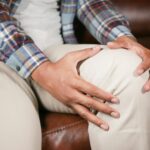
When cartilage is healthy, joints move freely without friction or pain. But when it becomes damaged, from injury, overuse, or age-related wear, the bone surfaces begin to rub together, causing pain, swelling, and stiffness.
Why Can’t Cartilage Heal Well on Its Own?
Unlike other tissues in the body, cartilage has no direct blood supply. This means that once damaged, it receives limited nutrients and oxygen, making self-healing difficult.
Small injuries may worsen over time, leading to cartilage thinning or even bone exposure. Without treatment, this can progress to osteoarthritis, which causes chronic pain and reduced mobility.
How Do Orthopaedic Specialists Repair or Regenerate Cartilage?
Modern orthopaedic treatments aim to stimulate natural repair or replace damaged cartilage with healthy tissue. The choice depends on the size, depth, and location of the defect, as well as the patient’s age and activity level.
Below are some of the commonly used cartilage regeneration techniques in Singapore:
1. Microfracture Technique
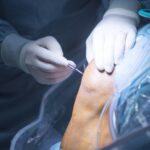
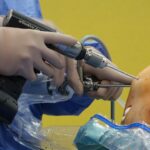
This minimally invasive procedure involves making tiny holes in the underlying bone. These micro-channels stimulate the release of bone marrow cells that can form new cartilage-like tissue.
- Best for: Small cartilage defects
- Recovery: Physiotherapy begins soon after surgery; most patients resume normal activities in a few months
However, the new tissue formed is fibrocartilage, which is not as durable as the original cartilage.
2. Autologous Chondrocyte Implantation (ACI)
In this two-stage procedure, healthy cartilage cells (chondrocytes) are first harvested from the patient’s own joint. These cells are then grown in a laboratory and later implanted into the damaged area.
- Best for: Larger or deeper cartilage defects in younger, active patients
- Advantage: Uses the patient’s own cells to restore the natural joint surface
ACI aims to restore hyaline-like cartilage, which is closer in quality to original tissue.
3. Stem Cell Therapy
Stem cells, usually taken from bone marrow or fat tissue, have the potential to develop into cartilage cells. They are injected into the affected joint to encourage regeneration and reduce inflammation.
- Best for: Patients with early cartilage wear or mild arthritis
- Note: Still considered a developing field; effectiveness varies depending on the extent of damage
Stem cell therapy is sometimes combined with other procedures to improve healing outcomes.
4. Platelet-Rich Plasma (PRP) Therapy
PRP uses the patient’s own blood, processed to concentrate growth factors that promote tissue repair. When injected into the joint, PRP can help reduce inflammation and support cartilage health.
- Best for: Mild to moderate joint degeneration
- Benefit: Minimally invasive, performed as an outpatient procedure
5. Cartilage Resurfacing and Grafting
For localised cartilage loss, damaged tissue is removed and replaced with grafts — either from another area of the joint (autograft) or donor tissue (allograft). This restores the joint’s smooth surface and reduces pain during movement.
What Is the Goal of Cartilage Regeneration?
The main aim is joint preservation —delaying or avoiding the need for joint replacement surgery. Regenerative techniques can improve joint function, relieve pain, and help patients return to normal activity with better comfort and mobility.
What Happens After Cartilage Regeneration Treatment?
Recovery depends on the procedure used. Most patients will undergo a structured physiotherapy programme to strengthen muscles, restore joint motion, and protect the healing tissue.
Low-impact activities such as swimming or cycling are often introduced first, with gradual progression to more demanding movements.
When Should You See an Orthopaedic Specialist?
You should seek medical assessment if you experience:
- Persistent knee, hip, or ankle pain after an injury
- Swelling or grinding sensations in the joint
- Difficulty walking or standing for long periods
- Limited flexibility or stiffness that doesn’t improve with rest
An orthopaedic evaluation can help identify cartilage damage early and determine whether regenerative treatments are suitable.
Frequently Asked Questions (FAQ)
- Can cartilage really regrow after it’s been damaged? While cartilage does not regenerate naturally, advanced treatments such as ACI, stem cell therapy, and microfracture can stimulate new tissue growth to improve joint function.
- How long does cartilage regeneration take? Healing varies —some patients notice improvement within months, but full recovery may take up to a year, depending on the size and location of the defect.
- Is cartilage regeneration painful? Most procedures are performed using minimally invasive techniques. Some soreness may occur during recovery, but this is temporary and managed with medication and physiotherapy.
- Who is a good candidate for cartilage regeneration? Younger, active individuals with localised cartilage damage are ideal candidates. Those with advanced arthritis may benefit more from joint replacement surgery.
- Are regenerative treatments permanent? Results can last for years if patients follow rehabilitation plans and maintain joint health. However, the durability of the regenerated tissue varies by technique and lifestyle factors.
Restore Your Joint Health With Personalised Cartilage Regeneration Care
If you’re struggling with joint pain, stiffness, or early cartilage wear, early evaluation can make a difference. Book a consultation with Dr Lee Eu Jin, Consultant Orthopaedic Surgeon at Liberty Orthopaedic Clinic, to discuss your suitability for regenerative treatments such as microfracture, ACI, PRP, or stem cell therapy.
Our clinic provides comprehensive care for joint preservation and repair, helping patients regain comfort and confidence in movement.
Book an Appointment and learn more about restoring your cartilage and keeping your joints active for years to come.