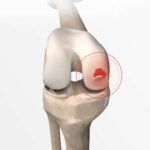

Sudden joint pain can be worrying especially for older adults who may wonder whether the cause is an injury or age-related joint wear. While ligament tears and arthritis can both cause pain, swelling, and stiffness, they develop differently and require different approaches to management.
Key Points
- Ligament tears are usually linked to sudden injury or twisting movements
- Arthritis typically causes gradual joint pain, but flare-ups can feel sudden
- Swelling patterns and pain triggers differ between injuries and degenerative conditions
- Imaging tests such as X-rays or MRI scans help confirm the diagnosis
- Early orthopaedic assessment helps prevent further joint damage
What Is a Ligament Tear and How Does It Happen?
Ligaments are strong bands of tissue that connect bones and stabilise joints. A ligament tear occurs when these tissues are overstretched or torn, often due to sudden force.
Common causes in older adults include:
- Twisting the knee while walking or standing up
- Slips or minor falls
- Sudden directional changes during daily activities
- Sports or exercise done without adequate warm-up
Pain from a ligament tear is often immediate, and swelling may develop within hours.
What Is Arthritis and Why Can It Cause Sudden Pain?
Arthritis refers to inflammation and degeneration of the joint. The most common type in older adults is osteoarthritis, which develops gradually as cartilage wears down over time.
However, arthritis pain can sometimes appear suddenly due to:
- Increased activity or overuse
- Inflammation flare-ups
- Minor trauma to an already worn joint
- Changes in weather or prolonged joint loading
Although the condition itself is long-standing, symptoms may feel abrupt.
Is Sudden Joint Pain More Likely an Injury or Arthritis?
Sudden pain does not always mean an injury. Key differences often lie in how the pain starts and behaves.
Features More Suggestive of a Ligament Tear
- Pain begins immediately after a twist, fall, or misstep
- Swelling appears quickly
- Joint feels unstable or “giving way”
- Pain worsens with specific movements
Features More Suggestive of Arthritis
- Pain may start after activity rather than immediately
- Morning stiffness that improves with movement
- Swelling develops gradually
- Pain worsens with prolonged use or standing
An orthopaedic evaluation helps distinguish between the two.
How Does Swelling Differ Between Ligament Tears and Arthritis?
Swelling patterns can provide clues:
- Ligament tear: Swelling often occurs rapidly and may feel tight or tense
- Arthritis: Swelling tends to be milder and develops over time, often accompanied by stiffness
However, swelling alone is not diagnostic and should be assessed alongside other symptoms.
What Tests Help Differentiate Ligament Injury from Arthritis?
Imaging studies are commonly used to confirm the cause of joint pain.
- X-rays help assess joint space narrowing, bone spurs, and degenerative changes seen in arthritis
- MRI scans provide detailed images of ligaments, cartilage, and soft tissues, useful for detecting tears
The choice of imaging depends on clinical findings and symptom duration.
When Should Older Adults See an Orthopaedic Specialist?
Medical assessment is recommended if joint pain:
- Starts suddenly and limits walking or daily activities
- Is associated with significant swelling or instability
- Persists beyond a few days despite rest
- Reoccurs frequently or worsens over time
Early diagnosis allows targeted treatment and may reduce long-term joint damage.
Frequently Asked Questions (FAQ)
- Can arthritis pain really start suddenly?
Yes. Although arthritis develops gradually, inflammation flare-ups or overuse can cause sudden pain. - Can a ligament tear heal on its own?
Minor ligament injuries may improve with rest and physiotherapy, but more severe tears may require medical intervention. - Is MRI always necessary?
Not always. X-rays are often sufficient initially. MRI is considered when soft tissue injury is suspected. - Can arthritis and ligament injury occur together?
Yes. Degenerative joints are more prone to injury, and both conditions can coexist. - Should I avoid movement until diagnosis?
Excessive strain should be avoided, but complete immobility is not recommended without medical advice.
Sudden Joint Pain Deserves Clarity, Not Guesswork
If you are experiencing sudden joint pain and are unsure whether it is due to injury or arthritis, a proper assessment can provide clarity and guide safe management.
Book a consultation with Dr Lee Eu Jin, Consultant Orthopaedic Surgeon at Liberty Orthopaedic Clinic, to determine the cause of your symptoms and discuss appropriate treatment options based on your condition and lifestyle.
Book an appointment today to be informed about joint care.