Why Does Your Shoulder Still Feel Unstable After an Injury?
What Is a Shoulder Ligament Tear?
Which Ligaments Can Be Injured in the Shoulder?
Glenohumeral Ligaments
Acromioclavicular (AC) Joint Ligaments
Coracoclavicular Ligaments
What Causes a Shoulder Ligament Tear?
- Falling directly onto the shoulder
- Falling onto an outstretched hand
- Shoulder dislocation
- Direct impact during contact sports
- Sudden forceful movements
- Sports involving tackling, throwing or overhead activity
- Road traffic accidents
- Other traumatic injuries
What Does a Torn Shoulder Ligament Feel Like?
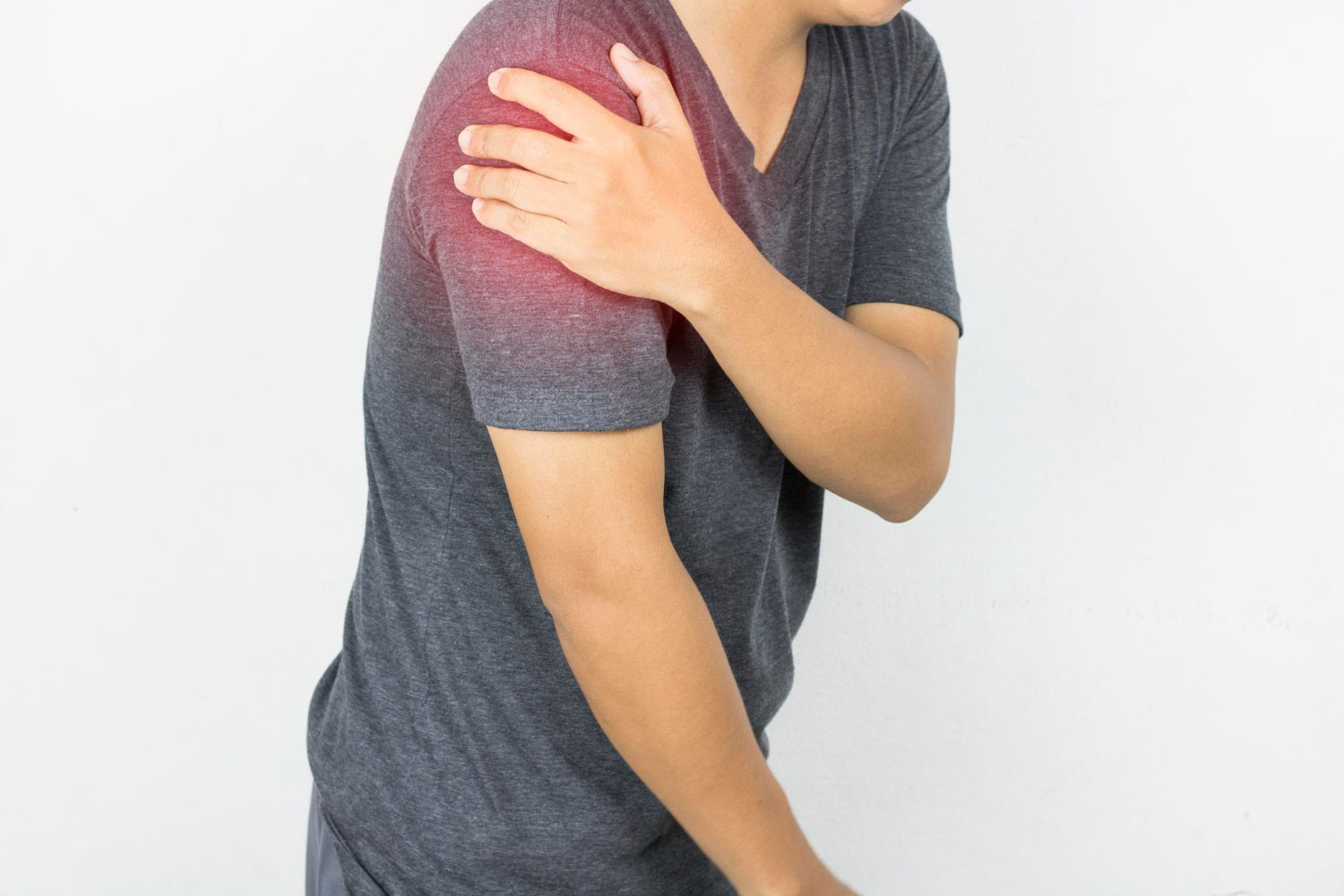
- Shoulder pain
- Swelling or bruising
- Tenderness around the joint
- Pain when lifting or moving the arm
- Reduced range of movement
- Weakness
- A feeling of looseness or instability
- Clicking or catching sensations
- A sensation that the shoulder may slip or pop out of place
Can a Shoulder Dislocation Tear the Ligaments?
Why Does My Shoulder Keep Feeling Like It Will Pop Out?
Is a Shoulder Ligament Tear the Same as a Rotator Cuff Tear?
How Serious Is a Shoulder Ligament Tear?
Grade 1 – Mild sprain
The ligament has been stretched but remains intact.
Grade 2 – Partial tear
Some ligament fibres have torn, which may cause greater pain, swelling and loss of stability.
Grade 3 – Complete tear
The ligament is completely torn and may no longer provide its usual level of support.
How Is a Shoulder Ligament Tear Diagnosed?
Assessment usually begins with a discussion of how the injury occurred, where the pain is located, and whether there have been episodes of dislocation or instability.
The shoulder may be examined for:
- Tenderness
- Swelling
- Range of movement
- Strength
- Joint stability
- Signs of associated injury
Imaging may also be recommended depending on the suspected injury.
X-rays can assess the position of the joint and identify fractures or changes around the AC joint.
MRI scans may provide further information about soft-tissue structures, including the ligaments, labrum and tendons.
Other imaging may be considered depending on the injury.
Can a Torn Shoulder Ligament Heal Without Surgery?
Some shoulder ligament injuries can be treated without surgery, particularly when the joint remains sufficiently stable and symptoms improve with rehabilitation.
Non-surgical treatment may include:
- Temporary activity modification
- Support or immobilisation during the early stage when appropriate
- Pain management
- Physiotherapy
- Exercises to restore movement
- Strengthening of the muscles around the shoulder
- Gradual return to normal activities or sport
The appropriate approach depends on the ligament involved and the severity of the injury.
When Might Surgery Be Considered for a Shoulder Ligament Injury?
Surgery is not required for every shoulder ligament tear.
It may be considered when:
- Shoulder instability persists despite rehabilitation
- Recurrent dislocations occur
- The shoulder repeatedly slips or gives way
- There is a significant traumatic ligament injury
- Other structures within the shoulder are also damaged
- Symptoms continue to interfere with work, sport or daily activities
The procedure considered will depend on the structures involved and the nature of the instability or injury.
Can Arthroscopic Surgery Be Used for Shoulder Instability?
Some shoulder conditions can be treated using arthroscopic, or keyhole, surgery.
During arthroscopy, a small camera and surgical instruments are inserted through small incisions around the shoulder. Depending on the injury, this approach may be used to assess and treat damaged structures contributing to instability.
Not every shoulder ligament injury requires arthroscopic surgery. Whether surgery is appropriate depends on the diagnosis, severity of instability, associated injuries and individual circumstances.
How Long Does a Shoulder Ligament Tear Take to Recover?
Recovery varies considerably depending on the type and severity of the injury.
Factors that can affect recovery include:
- Which ligament or structures are injured
- Whether the tear is partial or complete
- Whether a dislocation occurred
- Whether other structures were damaged
- Whether surgery is required
- Individual rehabilitation progress
- Work and sporting requirements
A gradual return to activity is usually important. Returning to contact or overhead sports before sufficient movement, strength and stability have been restored may increase the likelihood of another injury.
When Should You See an Orthopaedic Surgeon for a Shoulder Injury?
Consider an orthopaedic assessment if:
- Shoulder pain persists following an injury
- The shoulder has dislocated
- You notice a change in the shape of the shoulder after a fall
- Movement remains restricted
- The shoulder repeatedly feels loose or unstable
- The shoulder slips partially or completely out of position
- Symptoms prevent you from returning to work, exercise or sport
An assessment can help determine whether the symptoms are related to a ligament injury, instability, or another shoulder condition.
Frequently Asked Questions About Shoulder Ligament Tears
Can you move your arm with a torn shoulder ligament?
It may still be possible to move the arm with a ligament injury. The amount of movement and discomfort varies according to the ligament involved, severity of the injury and whether other shoulder structures are affected.
Can a shoulder ligament tear heal on its own?
Some ligament injuries can improve with non-surgical treatment and rehabilitation. More significant injuries associated with persistent instability or recurrent dislocation may require further treatment.
What is the difference between a shoulder sprain and a ligament tear?
A sprain is an injury to a ligament. Mild sprains involve stretching of the ligament, while more significant sprains can involve partial or complete ligament tears.
Does a shoulder dislocation always cause ligament damage?
A dislocation can stretch or damage the ligaments, joint capsule and other structures, but the extent of injury varies. An assessment can help determine what was damaged during the dislocation.
Why does my shoulder keep dislocating?
Recurrent dislocation can occur when the structures responsible for shoulder stability have been damaged or stretched following an earlier injury. Other factors may also contribute, so repeated instability should be assessed.
Does Your Shoulder Still Feel Unstable After an Injury?
A shoulder that continues to feel loose, slips out of position, or repeatedly gives way may have an underlying injury affecting its stability.
Book a consultation with Dr Lee Eu Jin at Liberty Orthopaedic Clinic for an assessment of your shoulder symptoms and to discuss treatment options based on the structures involved, severity of the injury, and your activity needs.