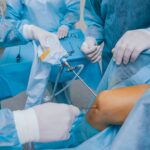

Rheumatoid arthritis can affect both knees, but that does not necessarily mean both joints need replacing. Even when the condition affects both sides, the damage, pain and limitations may differ from one knee to the other.
Key Takeaways
- Rheumatoid arthritis affecting both knees does not automatically mean you need two knee replacements.
- Doctors assess each knee separately, considering joint damage, pain, mobility and response to treatment.
- Surgery on both knees may be performed together or in separate operations, depending on individual circumstances.
- Controlling rheumatoid arthritis is an important part of planning surgery and managing recovery.
Why can one knee need surgery before the other?
Rheumatoid arthritis is an autoimmune condition in which the immune system mistakenly attacks the lining of the joints, causing inflammation. Over time, persistent inflammation can damage cartilage and bone, affecting how the knee moves and bears weight.
Although rheumatoid arthritis can affect both knees, the extent of joint damage is not always symmetrical. One knee might have more cartilage loss, greater deformity or more persistent pain than the other.
Doctors therefore consider several factors when assessing whether knee replacement surgery is appropriate,
- Pain and stiffness- Does the knee cause persistent discomfort or stiffness that affects everyday activities?
- Joint damage- Have X-rays or other investigations shown significant damage?
- Mobility- Is the knee limiting walking, standing, climbing stairs or getting up from a chair?
- Response to treatment- Have medicines, physiotherapy and other appropriate non-surgical measures provided sufficient relief?
- Overall health- Are there medical conditions that could affect the risks of surgery or recovery?
The decision is based on how each knee affects your life, rather than the rheumatoid arthritis diagnosis alone.
Does rheumatoid arthritis always lead to knee replacement?
No. A diagnosis of rheumatoid arthritis does not automatically mean you will eventually need surgery.
Treatment often begins with medicines that control inflammation and help prevent further joint damage. Depending on your symptoms, your treatment plan may also include physiotherapy, appropriate exercises and measures to manage everyday activities.
However, if significant joint damage has developed and pain or restricted movement continues despite appropriate treatment, knee replacement may be considered.
The aim is to address the problems caused by the damaged joint. Knee replacement does not treat the underlying autoimmune condition, so ongoing rheumatoid arthritis management remains necessary.
If both knees need replacing, should surgery happen together?
If both knees have severe damage, there are two main approaches- replacing both knees during one operation or performing two separate operations.
Simultaneous bilateral knee replacement means both knee joints are replaced during the same operation. This may reduce the number of separate surgical admissions and rehabilitation periods, but it also places greater demands on the body during the initial recovery.
Staged bilateral knee replacement involves operating on one knee first and the other at a later date. This allows the patient to recover from the first operation before undergoing the second.
Neither approach is automatically suitable for everyone. Doctors consider factors such as,
- General health and fitness for surgery.
- The severity of rheumatoid arthritis and joint damage.
- Other medical conditions and potential surgical risks.
- The ability to participate in rehabilitation.
- Available support at home during recovery.
For someone with rheumatoid arthritis, the timing of surgery also needs to account for disease activity and medicines that affect the immune system or surgical recovery.
How does rheumatoid arthritis affect recovery after surgery?
Recovery involves more than healing the operated knee. Rheumatoid arthritis can affect other joints, including the hands, wrists, ankles and shoulders, which may make using walking aids or performing rehabilitation exercises more challenging.
Before surgery, your orthopaedic surgeon may work with your rheumatologist to review your condition and medication plan. Some medicines may need adjustment around the time of surgery, but you should not stop or change rheumatoid arthritis medication without medical advice.
After surgery, rehabilitation usually focuses on restoring knee movement, building strength and gradually improving walking ability. Recovery varies between individuals, and having both knees operated on may create different rehabilitation demands from having one knee replaced.
Planning practical support at home can also help, particularly if you have difficulty using your arms or other joints to support your body weight.
Frequently Asked Questions
Can I have knee replacement surgery on only one knee if both are affected?
Yes. If one knee causes substantially more pain or has more advanced damage, surgery may be considered for that knee alone. The other knee can continue to be monitored and treated according to its condition.
Can rheumatoid arthritis damage a knee even if the pain is manageable?
Yes. Symptoms do not always reflect the full extent of joint damage. Your doctor may recommend clinical assessments and imaging to understand the condition of your knees, even when pain is not severe.
Will rheumatoid arthritis continue after knee replacement?
Yes. Knee replacement addresses damage within the operated joint, but it does not cure rheumatoid arthritis. You will still need appropriate treatment and monitoring for the underlying condition.
Is it harder to recover when both knees are replaced?
Recovery can be more demanding when both knees are replaced during the same operation because both legs need rehabilitation at once. With staged surgery, recovery from the first operation can help inform planning for the second. The suitability of either approach depends on your health and individual circumstances.
How do I know when it is time to consider knee replacement?
Consider an orthopaedic assessment if knee pain, stiffness or restricted movement continues to affect daily activities despite appropriate treatment. Your doctor can evaluate joint damage, review previous treatments and discuss whether surgery or continued non-surgical management is appropriate.
Considering Knee Replacement for Rheumatoid Arthritis?
If rheumatoid arthritis is affecting both your knees, you do not necessarily need to have both joints replaced. The next step is to understand how much damage each knee has sustained and how your symptoms affect daily life.
At Liberty Orthopaedic Clinic, Dr. Lee Eu Jin can assess your knee symptoms and discuss appropriate management options, including whether knee replacement surgery should be considered for one or both knees. An individual assessment can help you understand the potential benefits, limitations and risks of the available approaches.