
Hip pain can gradually make everyday activities more difficult. Simple tasks such as walking, climbing stairs, getting in and out of a car, or even putting on shoes may become increasingly uncomfortable. For some people with advanced hip arthritis or significant joint damage, conservative treatments may no longer provide enough relief.
When considering surgery, one of the most common questions patients ask is: “Will I recover faster if I choose robotic-assisted hip replacement?”
While every patient’s recovery journey is different, robotic-assisted technology has introduced new ways for surgeons to plan and perform hip replacement procedures with greater precision.
Key Takeaways
- Robotic-assisted hip replacement uses advanced imaging and computer-guided technology to assist surgical planning and implant positioning.
- Recovery timelines vary from person to person and depend on several factors.
- Many patients begin walking shortly after surgery with guidance from their healthcare team.
- Returning to driving, work, and exercise depends on individual progress and medical advice.
- Early assessment of persistent hip pain may help identify suitable treatment options before symptoms worsen.
What Is Robotic-Assisted Hip Replacement?
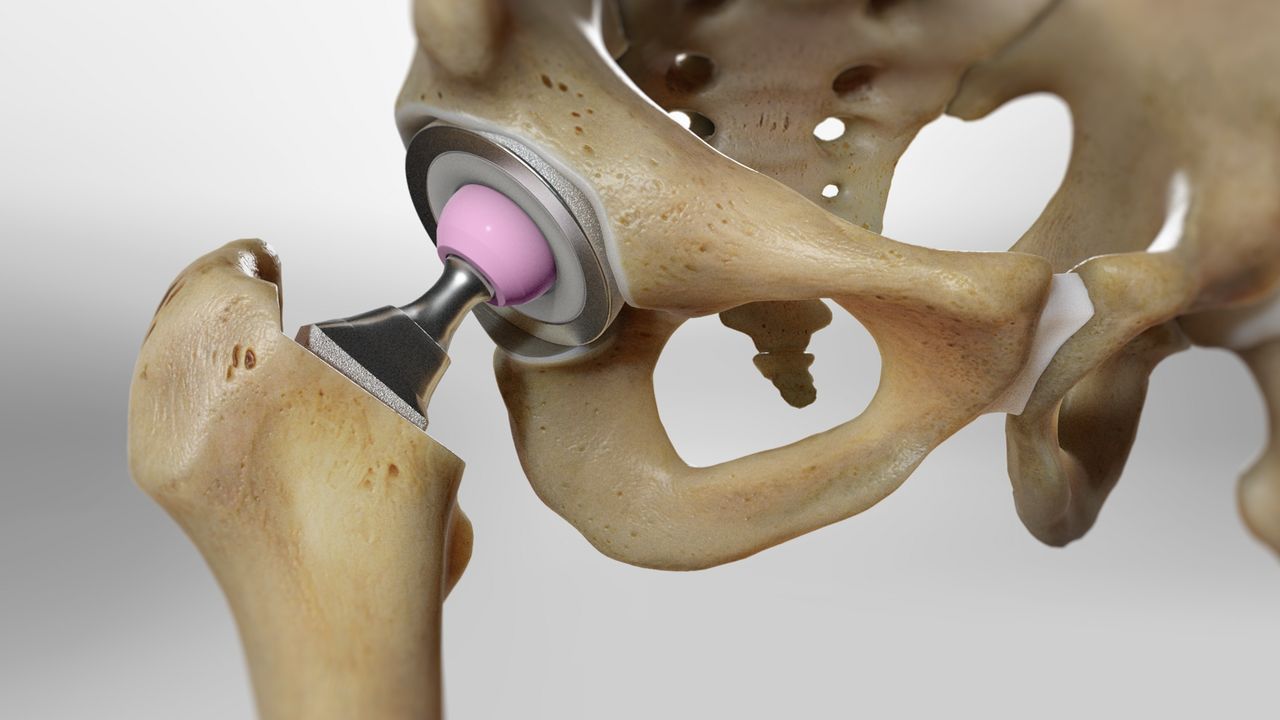
Robotic-assisted hip replacement is a form of total hip replacement surgery that incorporates computer-assisted technology to help surgeons plan and perform the procedure.
Before surgery, detailed imaging is used to create a personalised surgical plan based on the patient’s anatomy. During the procedure, the robotic system provides real-time information that assists the surgeon in accurately preparing the joint and positioning the implants.
It is important to understand that the surgeon remains in control throughout the operation. The robotic technology serves as a tool that supports surgical decision-making and execution.
The goal is to help restore hip function, improve movement, and address pain associated with conditions such as hip arthritis.
Can Robotic-Assisted Hip Replacement Lead to Faster Recovery?
Many patients hope that robotic-assisted surgery will help them return to their daily routines sooner.
While robotic technology may contribute to surgical precision, recovery is influenced by many factors, including:
- Age and overall health
- Severity of hip arthritis or joint damage
- Muscle strength before surgery
- Commitment to rehabilitation
- Presence of other medical conditions
- Individual healing response
Because every patient is different, no specific recovery timeline can be guaranteed.
However, careful surgical planning and accurate implant positioning may help support postoperative recovery and joint function.
How Does Surgical Planning Affect Recovery?
One of the advantages of robotic-assisted hip surgery is the ability to create a detailed preoperative plan tailored to the patient’s anatomy.
This planning process allows the surgeon to:
- Assess hip alignment
- Determine implant size and positioning
- Evaluate leg length considerations
- Plan joint mechanics before surgery
Accurate planning may help optimise the way the hip joint functions after surgery and support rehabilitation goals.
What Happens During Hip Replacement Recovery?
Recovery after total hip replacement occurs in stages.
Although timelines vary, many patients can expect a general progression that includes:
The First Few Days After Surgery
Patients are typically encouraged to begin moving early under the supervision of their healthcare team.
This may include:
- Standing
- Walking short distances
- Performing simple rehabilitation exercises
- Learning safe movement techniques
Early mobilisation helps promote circulation and supports recovery.
The First Few Weeks
During the initial weeks, patients often focus on:
- Improving walking ability
- Increasing strength and flexibility
- Reducing swelling
- Regaining independence with daily activities
Walking aids such as crutches or walkers may be used temporarily.
The Following Months
As healing progresses, many patients gradually return to:
- Longer walks
- Household activities
- Recreational exercise
- Work duties, depending on job requirements
The pace of recovery varies significantly between individuals.
When Can I Walk Normally After Hip Replacement Surgery?
This is one of the most frequently searched questions by patients considering surgery.
Many individuals begin walking with assistance shortly after surgery. However, returning to a more natural walking pattern can take several weeks or months.
Factors affecting walking recovery include:
- Muscle strength before surgery
- Balance and coordination
- Adherence to physiotherapy
- Overall health status
Your surgeon and rehabilitation team will provide personalised guidance based on your progress.
When Can I Drive Again After Robotic Hip Replacement?
Driving is often an important milestone because it represents a return to independence.
The appropriate time to resume driving varies depending on:
- Which hip was operated on
- Pain control
- Reaction time
- Mobility
- Ability to perform emergency braking safely
Patients should only return to driving when advised by their surgeon and when they feel confident operating a vehicle safely.
Can I Return to Exercise and Sports After Hip Replacement?
Many patients hope to return to an active lifestyle following surgery.
After sufficient healing and rehabilitation, some activities may be resumed based on individual circumstances and medical advice.
Common activities may include:
- Walking
- Swimming
- Cycling
- Golf
- Low-impact fitness activities
The suitability of higher-impact sports depends on several factors and should be discussed with your orthopaedic surgeon.
What Are the Signs That Hip Arthritis May Need Specialist Assessment?
Hip arthritis symptoms often develop gradually and may worsen over time.
You may benefit from an orthopaedic evaluation if you experience:
- Persistent groin pain
- Hip stiffness
- Difficulty walking
- Reduced range of motion
- Pain when climbing stairs
- Disrupted sleep due to hip discomfort
- Limited response to medication or physiotherapy
Early assessment can help determine whether non-surgical treatments remain appropriate or if surgical options should be considered.
Is Robotic-Assisted Hip Replacement Suitable for Everyone?
Not every patient with hip pain requires hip replacement surgery.
Treatment recommendations depend on:
- The underlying diagnosis
- Severity of symptoms
- Imaging findings
- Functional limitations
- Response to conservative treatment
A consultation with an orthopaedic surgeon can help determine whether robotic-assisted hip surgery or another treatment option may be appropriate.
Frequently Asked Questions
1. Is robotic-assisted hip replacement safer than traditional hip replacement?
Both conventional and robotic-assisted hip replacement are established surgical approaches. The suitability of either technique depends on the patient’s condition and the surgeon’s assessment.
2. How long does it take to recover from hip replacement surgery?
Recovery varies between individuals. Many patients experience gradual improvements over several weeks and months following surgery.
3. Will robotic-assisted surgery reduce pain after hip replacement?
Pain levels and recovery experiences differ from person to person. Your surgeon can discuss expected outcomes based on your individual circumstances.
4. How soon can I return to work after hip replacement?
This depends on the nature of your work, your recovery progress, and your surgeon’s recommendations.
5. What is the difference between robotic-assisted and conventional hip replacement?
Robotic-assisted surgery uses computer-guided technology to assist surgical planning and implant positioning, while conventional surgery relies on traditional surgical techniques.
Don’t Let Hip Pain Limit Your Daily Life
If hip pain is making it difficult to walk comfortably, stay active, or enjoy everyday activities, an orthopaedic assessment may help clarify the cause and identify appropriate treatment options.
Dr Lee Eu Jin, Consultant Orthopaedic Surgeon at Liberty Orthopaedic Clinic, manages a range of hip conditions, including hip arthritis and performs hip replacement procedures. During a consultation, he can evaluate your symptoms, discuss available treatment options, and advise whether robotic-assisted hip replacement may be suitable for your condition.
Book an appointment with Liberty Orthopaedic Clinic to learn more about your options for hip arthritis treatment and recovery planning.