Why Does Your Shoulder Feel Like It Might Slip Out of Place?
You reach overhead, stretch your arm backwards, or prepare to throw a ball, and suddenly your shoulder feels as though it might pop out of position. Perhaps it has already dislocated once, and since then, certain movements have made you hesitant to use your arm fully.
Shoulder instability can develop after an injury, a previous dislocation, or because the structures supporting the joint are naturally more flexible than usual.
For some people, the shoulder feels loose without actually dislocating. Others experience repeated episodes where the joint partially or completely slips out of place.
Although the initial pain may improve, ongoing instability can affect everyday activities, exercise and participation in sports.
At Liberty Orthopaedic Clinic in Singapore, Dr Lee Eu Jin provides orthopaedic assessments for shoulder conditions, including instability and dislocations. Treatment depends on the underlying cause, severity of the injury, associated structural damage and individual activity requirements.
What Is Shoulder Instability?
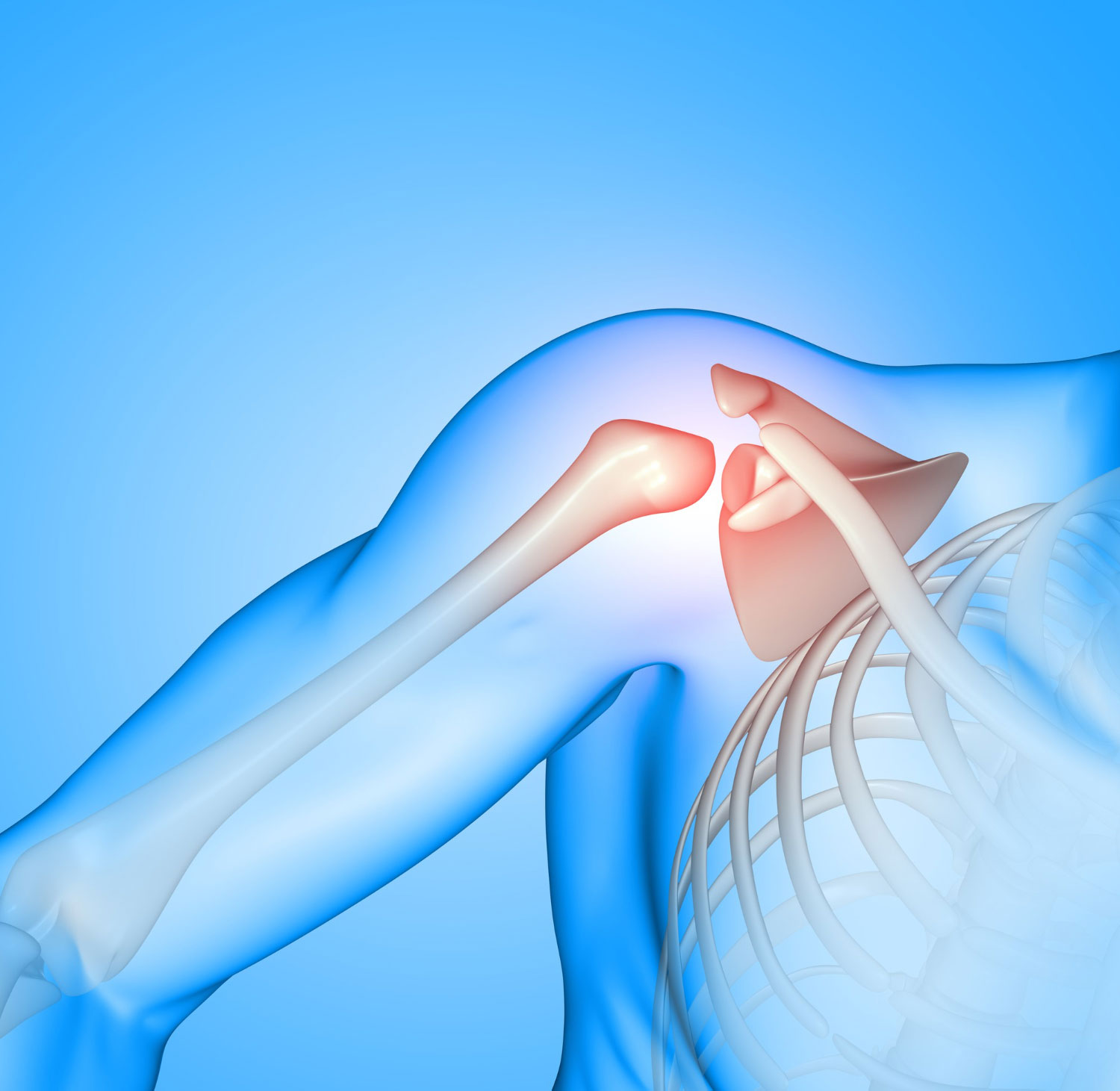
Shoulder instability occurs when the ball of the upper arm bone (humeral head) moves excessively within, or partially or completely out of, the shoulder socket.
The shoulder is one of the body’s most mobile joints. Its ball-and-socket structure allows a wide range of movement, including lifting, reaching, rotating and throwing.
However, because the socket is relatively shallow, the shoulder depends on several structures to remain stable:
- Glenoid labrum: A ring of fibrocartilage that deepens the shoulder socket and provides attachment for supporting structures.
- Joint capsule and ligaments: Connective tissues that help keep the joint in position and restrict excessive movement.
- Rotator cuff muscles and tendons: Help maintain the position of the humeral head during movement.
- Shoulder blade muscles: Support coordinated movement and control of the shoulder.
When these structures are injured, stretched or unable to provide sufficient support, the shoulder may become unstable.
Instability may develop following trauma or occur in individuals with increased joint laxity.
What Is the Difference Between Shoulder Instability, Subluxation and Dislocation?
| Condition | Description |
|---|---|
|
Shoulder instability |
The shoulder moves excessively or feels as though it may slip out of place.
|
|
Shoulder subluxation |
The humeral head partially slips out of the socket. |
|
Shoulder dislocation |
The humeral head completely loses contact with the socket. |
A dislocation can cause sudden pain, visible deformity and difficulty moving the arm.
A subluxation may be less obvious. Some patients describe a brief slipping or shifting sensation before the shoulder returns to its normal position.
Shoulder instability may occur with or without a previous complete dislocation.
What Causes Shoulder Instability and Dislocations?
Shoulder instability can occur for several reasons, including traumatic injuries, repetitive movements and naturally increased joint flexibility.
Sports Injuries
Contact sports such as rugby, football, basketball and martial arts can expose the shoulder to falls, collisions or forceful movements that may cause dislocation.
Overhead sports, including swimming, tennis and volleyball, can also place repeated stress on the shoulder, particularly in individuals with underlying joint laxity.
Falls and Accidents
Falling onto an outstretched hand or directly onto the shoulder can force the humeral head out of its normal position.
Previous Shoulder Dislocations
A previous dislocation may damage the labrum, joint capsule, ligaments or surrounding bone.
These injuries can affect shoulder stability and increase the likelihood of another dislocation.
Generalised Joint Laxity
Some individuals naturally have more flexible joints.
When the shoulder capsule and supporting ligaments allow excessive movement, the shoulder may become unstable even without a significant traumatic injury.
Repetitive Overhead Movements
Repeated overhead activities may contribute to instability in certain individuals, particularly when combined with muscle imbalance, joint laxity or changes in shoulder movement control.

What Are the Different Types of Shoulder Instability?
Shoulder instability can be classified according to the direction in which the humeral head moves abnormally.
Anterior Shoulder Instability
Anterior instability occurs when the humeral head moves towards the front of the shoulder socket.
This is the most common direction of traumatic shoulder dislocation.
It may occur when the arm is forced backwards while raised and rotated outwards, such as during a fall or sports injury.
Posterior Shoulder Instability
Posterior instability occurs when the humeral head moves towards the back of the socket.
It may result from trauma, repetitive loading or, in some cases, seizures or electrical injuries.
Multidirectional Shoulder Instability
Multidirectional instability occurs when the shoulder is excessively loose in more than one direction.
It is often associated with increased joint laxity and may develop without a single identifiable injury.
Treatment depends on the type of instability, symptoms and underlying cause.
What Are the Symptoms of Shoulder Instability?
Symptoms vary depending on whether the shoulder is mildly unstable, partially slipping out of position or experiencing recurrent dislocations.
Common symptoms include:
- A feeling that the shoulder is loose or unstable
- Repeated episodes of the shoulder slipping or giving way
- Pain during certain movements
- Discomfort when reaching overhead or backwards
- Clicking, catching or shifting sensations
- Weakness or reduced confidence when using the arm
- Difficulty participating in sports
- Recurrent shoulder subluxations or dislocations
Some patients experience apprehension when moving the arm into positions associated with a previous dislocation.
Following an acute shoulder dislocation, symptoms may include severe pain, swelling, visible deformity and an inability to move the arm normally.
Why Does My Shoulder Keep Dislocating?
Recurrent shoulder dislocation can occur when the structures responsible for maintaining joint stability have been damaged or stretched.
Following an initial dislocation, the labrum, joint capsule or ligaments may not provide the same level of support as before.
Certain bone injuries may also affect the stability of the joint.
Factors that can contribute to recurrent dislocation include:
- Previous traumatic shoulder dislocation
- Damage to the glenoid labrum
- Stretching or injury to the joint capsule
- Glenoid bone loss
- Injury to the humeral head
- Generalised joint laxity
- Participation in contact or high-demand sports
Younger and physically active individuals may have a higher risk of recurrent instability following a first traumatic anterior shoulder dislocation.
Repeated episodes should be assessed because further dislocations may cause additional damage to the joint.
What Is a Bankart Lesion, and How Is It Related to Shoulder Instability?
A Bankart lesion is an injury involving the glenoid labrum, the ring of fibrocartilage surrounding the shoulder socket.
It commonly occurs when the shoulder dislocates forwards.
During the dislocation, the front-lower portion of the labrum may detach from the edge of the socket.
Because the labrum contributes to shoulder stability, this injury can increase the likelihood of recurrent dislocations.
A Bankart lesion is not simply a shoulder ligament tear. It primarily involves the labrum, although the nearby joint capsule and ligaments may also be injured.
Not every patient with shoulder instability has a Bankart lesion, and not every Bankart lesion requires surgery.
Can Shoulder Dislocations Cause Other Injuries?
Yes. A shoulder dislocation can damage structures beyond the labrum.
Hill-Sachs Lesion
A Hill-Sachs lesion is a compression injury affecting the humeral head.
It may occur when the humeral head impacts the edge of the shoulder socket during an anterior dislocation.
Bony Bankart Lesion
A bony Bankart lesion involves a fracture of the front-lower edge of the glenoid socket, often associated with an injury to the labrum.
Rotator Cuff Injury
A dislocation can sometimes damage the rotator cuff tendons, particularly in older patients.
Nerve or Blood Vessel Injury
In some cases, shoulder dislocations may affect nearby nerves or blood vessels.
This is one reason acute dislocations require prompt medical assessment.

How Is Shoulder Instability Diagnosed?
Diagnosis begins with a discussion of symptoms, previous injuries and episodes of shoulder dislocation or subluxation.
Your orthopaedic doctor may assess the shoulder’s range of movement, strength and stability.
Physical Examination
Specific clinical tests may be used to assess:
- Joint stability
- Shoulder movement
- Muscle strength
- Joint laxity
- Pain or apprehension during certain positions
- Signs of associated injuries
X-rays
X-rays can help identify dislocations, fractures and certain bony abnormalities.
MRI or MR Arthrogram
MRI scans may help identify injuries involving the labrum, joint capsule, ligaments and rotator cuff.
An MR arthrogram may be considered in selected cases when additional detail about the labrum or joint capsule is required.
CT Scan
A CT scan may be recommended when bone loss or a fracture needs further assessment, particularly when surgical treatment is being considered.
The choice of imaging depends on the patient’s symptoms and clinical findings.
Can Shoulder Instability Be Treated Without Surgery?
Yes. Some patients with shoulder instability can be managed without surgery.
Non-surgical treatment may be appropriate for selected first-time dislocations, mild instability or multidirectional instability associated with joint laxity.
Treatment may include:
Activity Modification
Temporarily avoiding movements that increase the risk of dislocation.
Short-Term Immobilisation
A sling may be recommended for a limited period following an acute dislocation, depending on the injury.
Physiotherapy
Rehabilitation may focus on strengthening the rotator cuff and shoulder blade muscles, improving movement control and restoring stability.
Gradual Return to Activity
Daily activities and sports are progressively reintroduced as shoulder strength and function improve.
The likelihood of successful non-surgical treatment depends on factors such as age, activity level, type of instability and associated structural damage.
When Might Surgery Be Considered for Shoulder Instability?
Surgery may be considered when:
- The shoulder repeatedly dislocates
- Instability persists despite appropriate physiotherapy
- The shoulder frequently slips out of position
- Significant labral or bone injuries are present
- The patient participates in contact or high-demand sports
- Shoulder instability interferes with daily activities
- The risk of recurrent instability is considered high
Surgery may also be discussed after a first traumatic dislocation in selected patients.
The decision depends on the type of instability, extent of structural damage, individual circumstances and treatment goals.

What Surgical Treatments Are Available for Shoulder Instability?
Different surgical procedures may be considered depending on the cause of instability and the structures involved.
Arthroscopic Bankart Repair
Arthroscopic Bankart repair may be used for selected patients with anterior shoulder instability associated with a Bankart lesion.
The procedure involves reattaching the damaged labrum to the edge of the shoulder socket using specialised instruments and commonly suture anchors.
The aim is to restore the labral attachment and improve joint stability.
Capsular Repair or Tightening
In selected cases, the shoulder capsule may be repaired or tightened to reduce excessive joint movement.
This may be considered when capsular laxity contributes to instability.
Remplissage Procedure
A remplissage procedure may be performed alongside Bankart repair when a Hill-Sachs lesion contributes to instability.
The procedure helps prevent the humeral head defect from engaging with the edge of the shoulder socket.
Latarjet Procedure
The Latarjet procedure involves transferring a portion of bone from the coracoid process to the front of the shoulder socket.
It may be considered in selected patients with significant glenoid bone loss or other risk factors for recurrent instability.
The choice of procedure depends on the direction of instability, condition of the labrum and capsule, degree of bone loss and individual activity requirements.
How Long Does Recovery Take After a Shoulder Dislocation?
Recovery varies depending on the severity of the injury, associated damage and whether surgery is required.
Recovery Without Surgery
Following a first-time dislocation, rehabilitation generally focuses on reducing pain, restoring movement and strengthening the muscles supporting the shoulder.
Recovery may take several weeks to months.
Recovery After Shoulder Stabilisation Surgery
Patients commonly require a period of protection, followed by progressive rehabilitation.
Recovery may involve:
- Early protection: Supporting the shoulder while repaired tissues heal.
- Restoring movement: Gradually improving range of motion within prescribed limits.
- Strengthening: Rebuilding rotator cuff and shoulder blade muscle strength.
- Functional rehabilitation: Preparing for everyday activities and sport-specific movements.
Return to contact or overhead sports often takes several months, depending on the procedure and rehabilitation progress.
Recovery timelines should be individualised rather than based on time alone.
Can You Return to Sports After a Shoulder Dislocation?
Many patients return to sports following appropriate treatment and rehabilitation.
However, the timing depends on the severity of the injury, shoulder stability and physical demands of the activity.
Before returning to sports such as rugby, tennis, basketball, swimming or weightlifting, rehabilitation generally aims to restore:
- Shoulder range of motion
- Rotator cuff strength
- Shoulder blade control
- Joint stability
- Sport-specific movement
- Confidence when using the affected arm
Returning before sufficient strength and stability have been restored may increase the risk of another injury.

When Should You See an Orthopaedic Surgeon for Shoulder Instability?
Consider an orthopaedic assessment if:
- Your shoulder has dislocated previously
- You experience repeated episodes of shoulder subluxation
- Your shoulder feels loose or unreliable during movement
- Pain or instability persists after an injury
- You avoid certain movements because you fear another dislocation
- Symptoms continue despite physiotherapy
- Shoulder instability prevents you from returning to work or sports
If your shoulder is currently dislocated, seek urgent medical attention. Do not attempt to force the joint back into position yourself.
Prompt assessment is also important if the arm becomes numb, weak, cold or discoloured after an injury.
Frequently Asked Questions About Shoulder Instability and Dislocations
1. Can shoulder instability go away without surgery?
Some patients improve with physiotherapy, muscle strengthening and movement retraining. However, persistent instability associated with significant structural damage or recurrent dislocations may require further treatment.
2. Why does my shoulder feel like it will pop out but never actually dislocates?
This sensation may be caused by shoulder instability or subluxation. The joint may move excessively without completely leaving the socket. Other shoulder conditions can cause similar symptoms, so an assessment is needed to determine the cause.
3. Will my shoulder dislocate again after the first dislocation?
Not necessarily. However, a previous dislocation increases the risk of recurrence, particularly among younger patients and those participating in contact sports. The risk also depends on associated injuries and individual factors.
4. Is shoulder instability the same as a rotator cuff tear?
No. Shoulder instability refers to excessive movement or displacement of the humeral head relative to the socket. A rotator cuff tear involves damage to one or more tendons surrounding the shoulder. Both conditions may cause pain or weakness, but they involve different problems.
5. Does every recurrent shoulder dislocation require surgery?
Not always. Treatment depends on the frequency of dislocations, degree of instability, associated injuries, activity requirements and response to rehabilitation. Surgery may be considered when instability continues or structural damage warrants operative treatment.
Is Your Shoulder Still Feeling Unstable After an Injury?
A shoulder that repeatedly slips, gives way or feels at risk of dislocation may have an underlying problem affecting joint stability.
Whether the symptoms developed after a previous dislocation, sports injury or gradual joint laxity, identifying the cause can help guide treatment.
At Liberty Orthopaedic Clinic, Dr Lee Eu Jin provides orthopaedic consultations to assess shoulder instability, recurrent dislocations and related injuries.
Book a consultation with Dr Lee Eu Jin to discuss your shoulder symptoms, available treatment options and the next steps in your care.