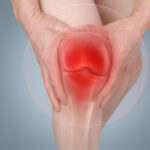

A sudden twist of the knee while turning, changing direction or stepping awkwardly may seem harmless, especially if you did not fall. However, in some cases, this movement can lead to a knee cartilage injury, causing pain, swelling or difficulty moving the joint. Knowing when these symptoms need medical attention can help prevent ongoing discomfort and further damage.
Key Takeaways
- A simple twisting movement can sometimes cause a knee cartilage injury, even without a fall.
- Persistent pain, swelling, locking or catching of the knee should not be ignored.
- Early assessment may help identify the cause of symptoms and guide appropriate treatment.
- Not every knee cartilage injury requires surgery, and treatment depends on the type and severity of the injury.
Can a Simple Twist Really Damage Knee Cartilage?
Yes, it can. Your knee contains different types of cartilage that help the joint move smoothly and absorb shock. During a twisting motion, especially when your foot remains planted while your body turns, the cartilage may experience excessive stress.
A knee cartilage injury can happen during,
- Pivoting while playing sports
- Quickly changing direction when walking or running
- Missing a step on the stairs
- Standing up and turning suddenly
- Slipping without actually falling
Although these incidents may appear minor, they can sometimes injure the cartilage or other structures within the knee.
What Is Knee Cartilage and Why Is It Important?
Cartilage acts as a protective cushion inside the knee joint. The knee contains,
- Articular cartilage – covers the ends of bones, allowing smooth movement
- Meniscus cartilage – two crescent-shaped cushions that absorb impact and help stabilise the knee
When cartilage is damaged, the knee may not move as smoothly, leading to pain or mechanical symptoms.
What Symptoms Could Suggest a Knee Cartilage Injury?
Symptoms do not always appear immediately after the twist. Some people notice discomfort hours later or the following day. Common symptoms include,
- Pain when walking or bending the knee
- Swelling around the joint
- Stiffness
- A clicking or catching sensation
- The knee feeling unstable
- Locking, where the knee becomes difficult to straighten
- Reduced range of movement
If symptoms persist or worsen, it is advisable to seek a medical assessment.
Are Some People More Likely to Experience Cartilage Damage?
Certain factors may increase the likelihood of a knee cartilage injury, including,
- Participation in sports involving pivoting movements
- Previous knee injuries
- Age-related wear of the cartilage
- Weak muscles supporting the knee
- Sudden increases in physical activity
Even individuals without these risk factors can experience cartilage injuries after an awkward twist.
How Is a Knee Cartilage Injury Diagnosed?
Your doctor will usually begin by understanding,
- How the injury occurred
- Your symptoms
- Whether the knee locks, catches or gives way
The assessment may also include,
- A physical examination
- X-rays to assess the bones and rule out fractures
- MRI scans if cartilage or soft tissue injuries are suspected
An accurate diagnosis helps determine the most appropriate management plan.
What Treatment Options Are Available?
Treatment depends on the location, severity and type of cartilage injury, as well as your activity level. Management may include,
- Rest and temporary activity modification
- Ice application to help manage swelling
- Physiotherapy to improve strength and stability
- Pain relief medications when appropriate
- Bracing in selected cases
- Arthroscopic (keyhole) surgery if symptoms persist or if significant cartilage damage is identified
Your doctor will recommend treatment based on your individual condition rather than a one-size-fits-all approach.
Can Knee Cartilage Injuries Be Prevented?
While not every injury can be avoided, these measures may help reduce the risk,
- Strengthen the muscles around the knee
- Warm up before exercise
- Wear appropriate footwear
- Improve balance and flexibility
- Avoid sudden increases in training intensity
- Use proper techniques during sports and exercise
Listening to your body and avoiding activity when the knee feels unstable may also help reduce the risk of further injury.
Frequently Asked Questions
1. Can a knee cartilage injury heal on its own?
Some minor injuries may improve with rest, physiotherapy and appropriate rehabilitation. However, certain cartilage injuries may require further medical evaluation and treatment depending on their severity.
2. Can I still walk with a knee cartilage injury?
Many people can still walk, although it may be painful. Persistent pain, swelling or locking of the knee should be assessed by a doctor.
3. How long does recovery take?
Recovery varies depending on the type of injury and treatment required. Mild injuries may improve over several weeks, while more significant injuries or surgical treatment may require a longer rehabilitation period.
4. When should I see a doctor after twisting my knee?
You should consider medical assessment if you experience ongoing pain, swelling, instability, locking, difficulty bearing weight or symptoms that do not improve after a few days.
Don’t Ignore a Twisted Knee That Doesn’t Feel Right
Although a simple twist without a fall may seem minor, it can sometimes result in a knee cartilage injury. If your symptoms persist, worsen or interfere with your daily activities, seeking an appropriate assessment can help identify the cause and discuss suitable treatment options.
At Liberty Orthopaedic Centre, Dr Lee Eu Jin provides assessment and management for a wide range of knee conditions, including suspected cartilage injuries. If you are experiencing ongoing knee pain after a twisting injury, consider booking a consultation to discuss your symptoms and the treatment options that may be appropriate for your condition.