
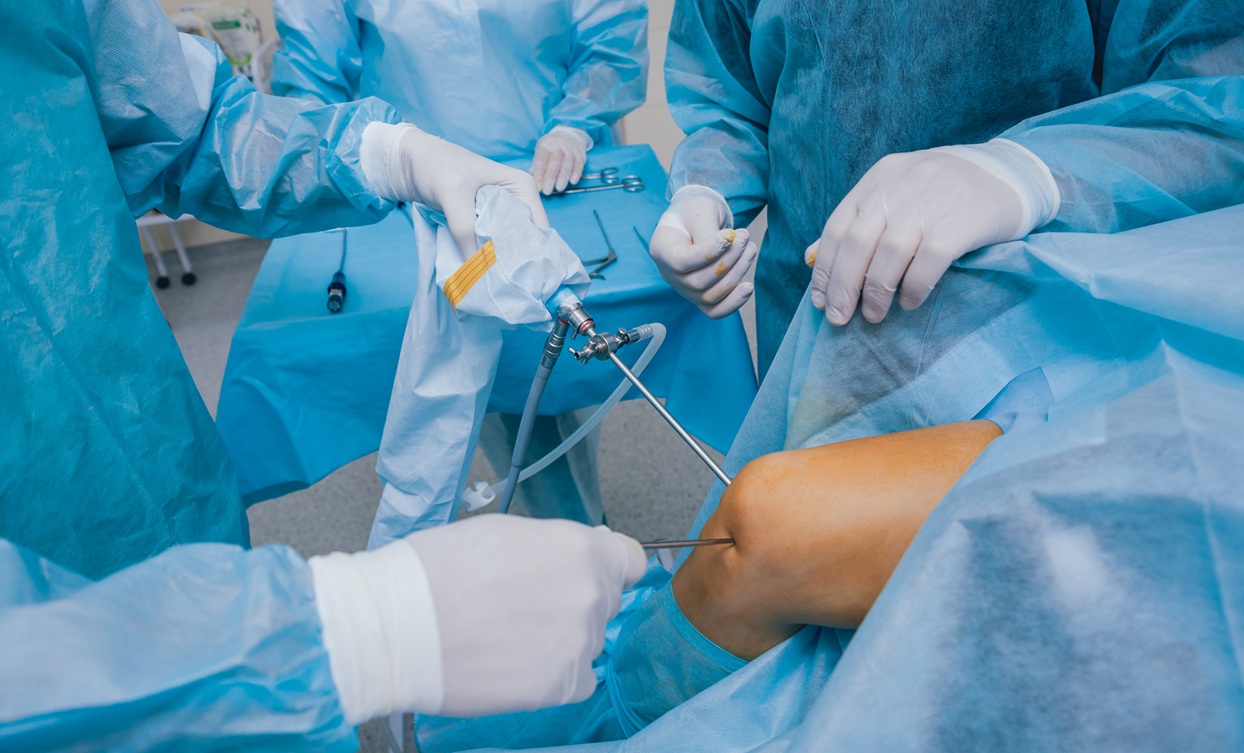
If you have been told that you may need a hip or knee replacement, you may have started hearing about robotic-assisted surgery and precision robotic surgery. But what does “precision” actually mean in this context? And can small differences in how an implant is positioned really matter?
The answer is more nuanced than simply saying “the smaller, the better”. Hip and knee replacement surgery involves planning around your anatomy, movement, joint alignment and the type of implant being used. Robotic systems can be used as part of this planning and surgical process, but they do not replace the surgeon’s clinical judgement.
Key Takeaways
- Robotic-assisted surgery can help surgeons plan and carry out certain hip and knee replacement procedures using detailed measurements.
- Millimetre-level planning may be relevant because implant position and alignment are important parts of joint replacement surgery.
- Robotic technology is a surgical aid rather than a replacement for the surgeon making decisions during an operation.
- Not every patient or joint replacement procedure necessarily requires robotic assistance.
- Your anatomy, condition, treatment goals and overall health should all be considered before deciding on an approach.
Why can millimetres matter during hip or knee replacement?
A joint replacement is not simply about removing a damaged joint and putting an artificial one in its place.
The surgeon has to consider how the new components should be positioned in relation to the surrounding bones and the way the joint moves. Even small changes in positioning can be relevant to alignment and balance. This is one reason detailed planning matters.
For knee replacement, for example, the surgical plan may take into account,
- The shape and alignment of the knee
- The condition of the surrounding bone and soft tissues
- The position and size of the implant
- How the components relate to each other
- The patient’s individual anatomy
For hip replacement, considerations can include the anatomy of the hip, implant positioning and how the components fit together.
The goal is not simply to achieve a particular measurement. It is to develop a surgical plan that is appropriate for the individual patient.
What does precision robotic surgery actually involve?
The term can sound complicated, but the basic idea is easier to understand.
Robotic-assisted joint replacement uses computer-based planning and a robotic system to assist the surgeon during selected parts of the procedure. Depending on the system and operation, this may involve creating a three-dimensional surgical plan and helping the surgeon work within the planned parameters.
Importantly, the robot does not independently decide what treatment you need. The surgeon remains responsible for assessing the patient, deciding whether surgery is appropriate and determining the surgical approach.
Does robotic assistance mean the operation will be better for everyone?
Not necessarily. This is an important point that can easily get lost when medical technology is discussed.
A surgical technique that is appropriate for one patient may not be appropriate for another. Factors such as the severity of joint damage, bone quality, anatomy, previous surgery and other health considerations can influence treatment planning. There is also no single surgical approach that guarantees the same result for every patient.
That means robotic assistance should be considered as one part of the treatment discussion, rather than as a promise of a particular outcome.
Could robotic planning change the way you think about joint replacement?
This thought opens up a much more useful conversation with your orthopaedic surgeon. You can consider asking,
- Why is joint replacement being recommended for me?
- Would robotic assistance be appropriate for my procedure?
- How would the technology be used during my surgery?
- What are the potential benefits and limitations?
- What other surgical approaches could be considered?
- What should I realistically expect during recovery?
These questions can help you understand the reasoning behind your treatment rather than choosing a procedure simply because it uses newer technology.
FAQs
Is robotic-assisted surgery completely performed by a robot?
No. Robotic-assisted surgery involves a surgeon using a robotic system as a surgical aid. The surgeon remains responsible for the clinical decisions and the procedure.
Does robotic surgery mean my recovery will be faster?
Recovery varies between individuals and depends on several factors, including the type of operation, general health, rehabilitation and the condition of the joint. Robotic assistance should not be viewed as a guarantee of a particular recovery time.
Is robotic-assisted surgery suitable for every knee replacement?
Not necessarily. Whether it is appropriate depends on the patient’s anatomy, condition, treatment plan and the surgeon’s assessment.
Should I choose robotic-assisted surgery simply because it uses newer technology?
Technology is only one consideration. The more important question is whether the approach is clinically appropriate for your individual condition and treatment needs.
Considering hip or knee replacement in Singapore?
If joint pain is affecting your mobility or everyday activities, understanding your treatment options can help you make a more informed decision.
At Liberty Orthopaedics Clinic, you can discuss your individual condition, surgical options and whether robotic-assisted joint replacement may be appropriate for you with Dr Lee Eu Jin. A consultation can help you understand what your joint requires and what approach may be suitable for your circumstances.
Consider booking a consultation at Liberty Orthopaedics Clinic to discuss your hip or knee condition and available treatment options.