
Read more about the article Can Losing Weight Help With Hip Osteoarthritis Pain?
Obese Woman with fat belly in dieting concept. Overweight woman touching his fat belly and want to lose weight Fat woman waist with centimeter Shape up healthy stomach muscle

Can Losing Weight Help With Hip Osteoarthritis Pain?

Carrying excess weight can place greater mechanical load on the hips during everyday activities such as walking, standing and climbing stairs. Losing weight may help some people manage symptoms and move more comfortably but it does not reverse existing cartilage damage, and the amount of improvement can vary from person to person.

Continue ReadingCan Losing Weight Help With Hip Osteoarthritis Pain?
Read more about the article Could Millimetres of Precision Matter When You’re Getting a New Hip or Knee?
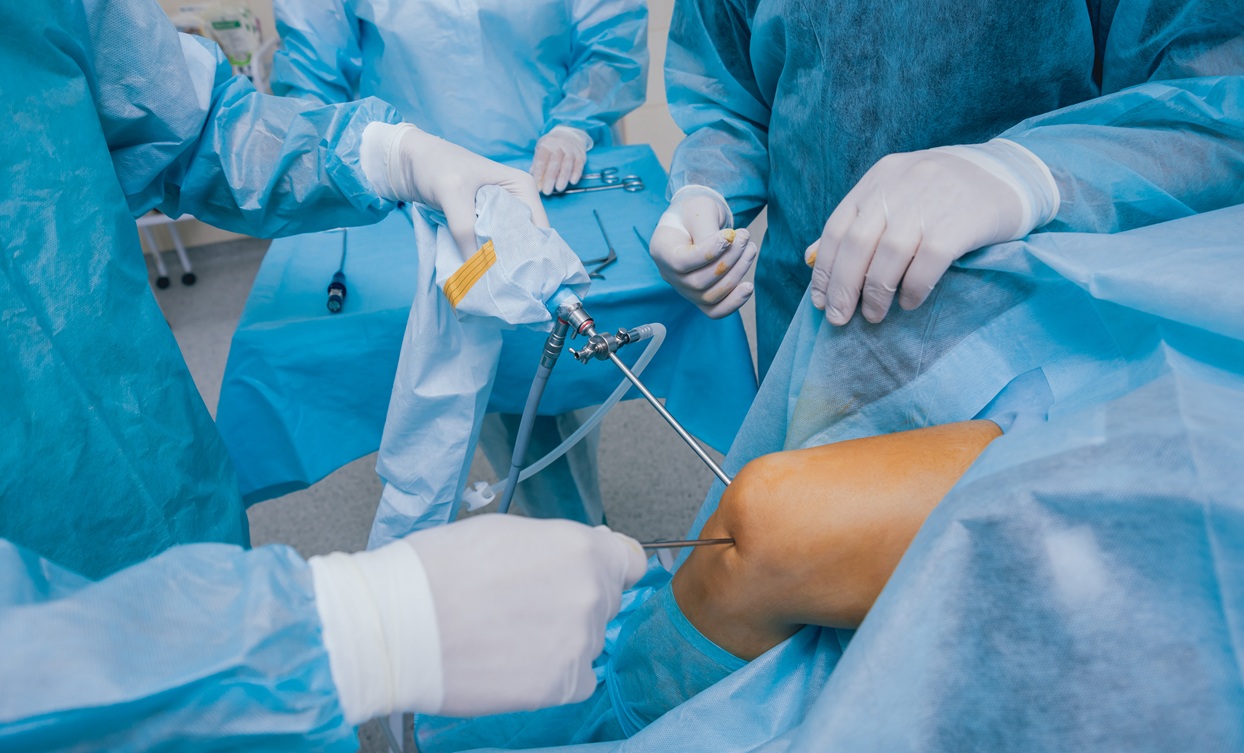
Arthroscope surgery. Orthopedic surgeons in teamwork in the operating room with modern arthroscopic tools. Knee surgery. Hospital background

Could Millimetres of Precision Matter When You’re Getting a New Hip or Knee?

At Liberty Orthopaedics Clinic, you can discuss your individual condition, surgical options and whether robotic-assisted joint replacement may be appropriate for you with Dr Lee Eu Jin. A consultation can help you understand what your joint requires and what approach may be suitable for your circumstances.

Continue ReadingCould Millimetres of Precision Matter When You’re Getting a New Hip or Knee?

When Does Shoulder Weakness Suggest a Rotator Cuff Tear Rather Than Muscle Strain?

Many people assume shoulder pain after lifting or exercise is simply a muscle strain. But if the weakness doesn't improve, you're struggling to lift your arm, or everyday movements become difficult, it could be a sign of a rotator cuff injury that deserves medical assessment. Understanding the difference early can help you make informed decisions about your shoulder health and the next steps for recovery.

Continue ReadingWhen Does Shoulder Weakness Suggest a Rotator Cuff Tear Rather Than Muscle Strain?

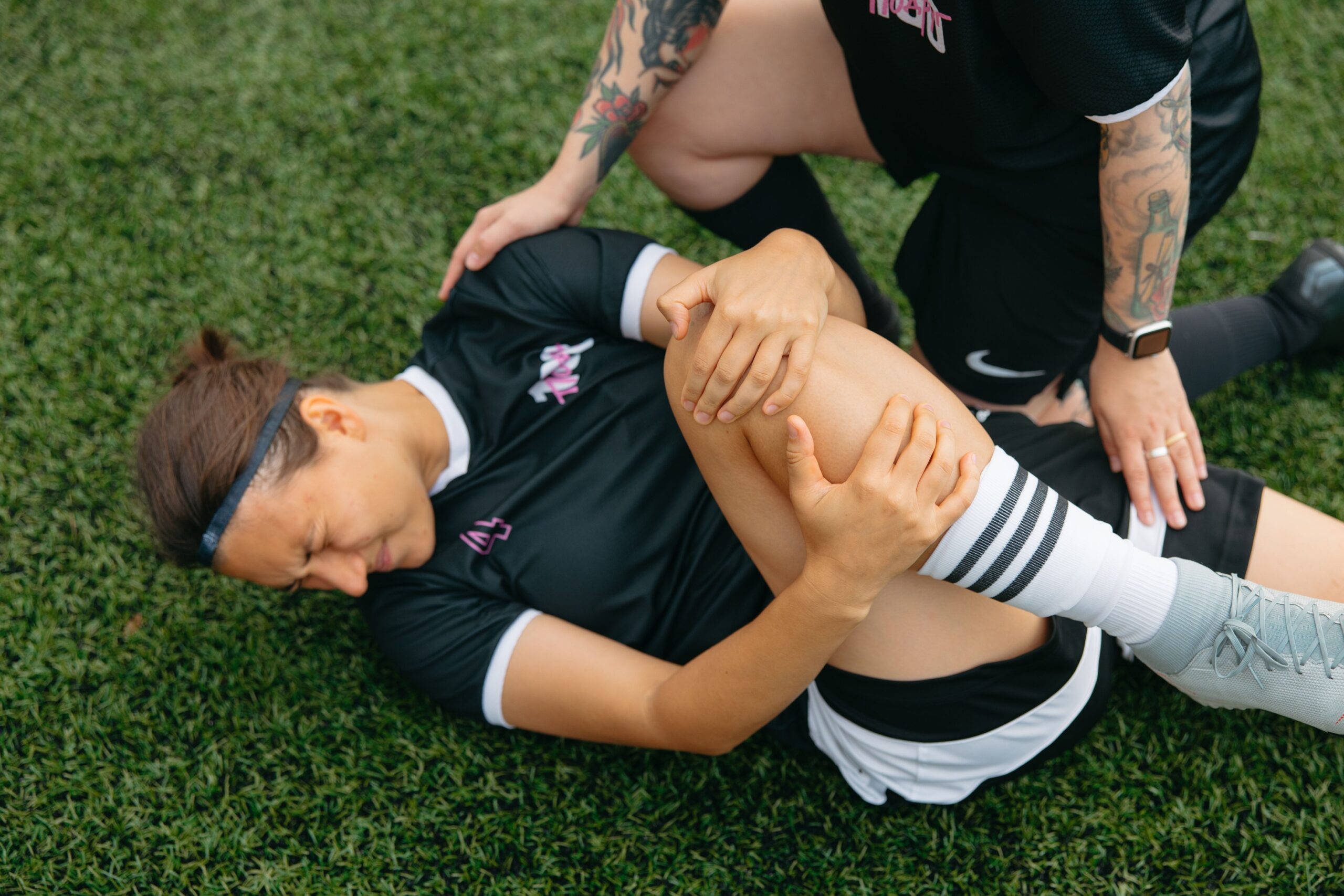
Why Does My Knee Still Feel Unstable Even Though My ACL Tear Doesn’t Hurt Anymore?

This is a common question after an anterior cruciate ligament (ACL) tear. While pain often decreases as the initial injury heals, the ACL itself may still not be functioning normally. As a result, some people continue to experience episodes where the knee feels like it may "give way," particularly during sports or sudden changes in direction.

Continue ReadingWhy Does My Knee Still Feel Unstable Even Though My ACL Tear Doesn’t Hurt Anymore?